
My Tomatoes Have Outgrown Their Cages. Here Are 7 Things You Can Do
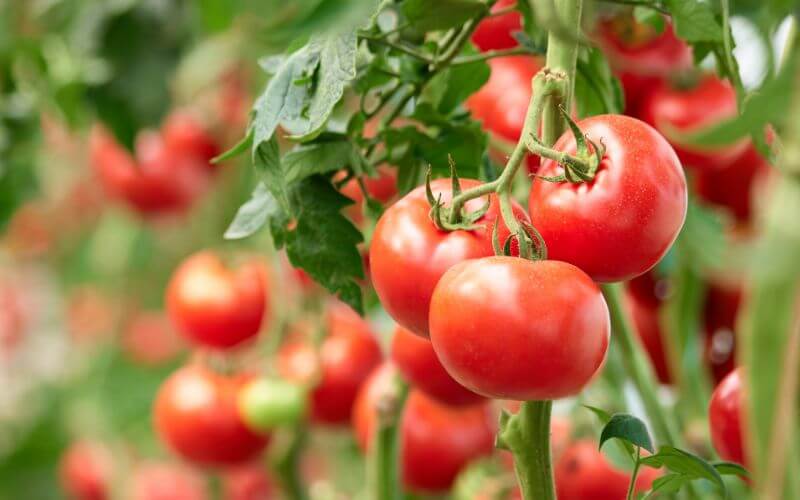
Greetings, passionate gardeners! If you’ve ever had the pleasure of nurturing tomato plants, you’re well aware of their remarkable growth potential. Those little seedlings you tenderly planted have now evolved into towering tomato plants that seem to burst right through their cages. While it’s delightful to witness your tomato plants thriving, it can also present a few challenges. But fret not! In this comprehensive gardening guide, I’ll share seven practical and detailed solutions to tackle the issue when your tomatoes have outgrown their cages. So, roll up your sleeves, don your gardening gloves, and grab a basket because you’re about to embark on a journey to ensure a bountiful tomato harvest!
Table of Contents
Understanding the Tomato Cage Dilemma
Before we delve into the solutions, it’s crucial to understand why tomato plants often outgrow their cages. Tomatoes are renowned for their vigorous growth, and they can quickly outpace the support systems we provide.
Why Do Tomatoes Overgrow Their Cages?
- Indeterminate vs. Determinate Varieties: The distinction between indeterminate and determinate tomato varieties plays a significant role. Indeterminate tomatoes continue to grow and produce fruit throughout the season, often reaching considerable heights. Determinate varieties, on the other hand, have a more compact growth habit and are less likely to outgrow their cages.
- Favorable Growing Conditions: Ideal growing conditions, including rich soil, ample sunlight, and consistent watering, can lead to robust tomato plant growth, potentially causing them to outgrow their cages.
- Genetics: Some tomato plants have a genetic predisposition to grow vigorously, outpacing their support structures. While this can result in prolific fruit production, it also means they require more robust support.
Now, let’s dive into the seven practical solutions to manage your exuberant tomato plants effectively.
1. Pruning for Controlled Growth
Pruning is a critical strategy to keep your tomatoes in check and ensure they don’t overrun their cages. Here’s a detailed approach:
- Remove Suckers: Suckers are those small shoots that develop in the leaf axils (where the branches meet the stem). To redirect the plant’s energy towards fruit production rather than excessive growth, pinch or prune them regularly.
- Trim Excess Foliage: Beyond removing suckers, thin out some of the lower leaves and branches that don’t contribute to fruit production. This not only improves air circulation but also allows sunlight to reach the inner parts of the plant.
2. Staking for Support
Staking is a classic and efficient method to support your overgrown tomatoes. Here’s a detailed breakdown of this approach:
- Choose Sturdy Stakes: Opt for sturdy stakes made of materials like wood or metal, and drive them into the ground near each tomato plant. The stakes should be at least 6 feet tall to accommodate indeterminate varieties.
- Securely Tie the Plant: As your tomato plant grows, use soft ties or garden twine to gently secure the main stem to the stake. Ensure the ties are not too tight to avoid damaging the plant.
3. Upgrade to Tall Cages
Sometimes, the solution is as simple as swapping out your small tomato cages for taller and more robust ones. Here’s how to do it effectively:
- Select Sturdy Cages: When choosing new cages, look for those that are at least 6 to 7 feet tall to accommodate the vertical growth of indeterminate tomato varieties.
- Secure the Cage: Drive the cage legs deep into the soil to provide stability, especially for indeterminate varieties that tend to become top-heavy as they fruit.
4. Trellising for Vertical Growth
Trellising your tomatoes encourages vertical growth, saves space, and helps manage their exuberant growth. Here’s a detailed guide:
- Install Trellises: Set up trellises or vertical supports behind your tomato plants, and train the vines to grow upward. Trellises can be constructed from various materials, including wood, PVC pipe, or metal.
- Regularly Tie and Prune: As the tomatoes grow, regularly tie them to the trellis to keep them upright and provide support. Additionally, continue to prune excess growth to maintain a manageable shape.
5. Container Gardening for Control
Growing your tomatoes in large containers or pots can provide greater control over their growth. Here’s a detailed approach:
- Choose Large Containers: Opt for containers with a minimum size of 5 gallons to ensure ample space for root growth and to accommodate the needs of vigorous tomato plants.
- Pruning Matters: Regular pruning is key when growing tomatoes in containers. Focus on maintaining a compact shape to prevent overgrowth.
6. Implement a Florida Weave System
The Florida Weave is a technique widely used by tomato growers to support sprawling plants. Here’s a detailed explanation of how it works:
- Install Stakes: Drive sturdy stakes into the ground at intervals along your tomato row. These stakes will serve as the foundation for the weave.
- Weave Twine Horizontally: Start by weaving twine in a figure-eight pattern around the stakes and between tomato plants as they grow taller. This effectively supports the plants’ weight and keeps them upright.
- Regular Maintenance: As the plants grow, continue weaving twine at appropriate intervals to provide continuous support.
7. Consider a Temporary Greenhouse
For those in regions with unpredictable weather or shorter growing seasons, a temporary greenhouse can be a game-changer. Here’s a detailed approach:
- Set Up a Greenhouse: Construct a simple hoop or temporary greenhouse structure around your tomato plants. This provides protection from adverse weather conditions.
- Controlled Environment: Beyond protection, a greenhouse allows you to control the growth and climate for your tomato plants, ensuring optimal conditions for both growth and fruit production.
Wrapping It Up – Tomato Success Awaits!
In conclusion, when your tomatoes outgrow their cages, it’s a clear sign of a flourishing garden. With a bit of pruning, staking, and strategic planning, you can ensure a bountiful harvest from your exuberant tomato plants. Don’t be discouraged by their vigor; instead, embrace the opportunity to enjoy an abundance of delicious, homegrown tomatoes.
Have you encountered this delightful tomato dilemma or have additional tips to share? Let’s continue the conversation in the comments below. Remember, we’re all in this together, and sharing our experiences makes us better gardeners. Happy tomato growing, my friends!
Share This Story, Choose Your Platform!




Latest News To Your Inbox
Subscribe to hear about our latest blog posts, competitions and special offers.
