
Growing Taller with Grace: A Guide to Elevating Your Ponytail Palm
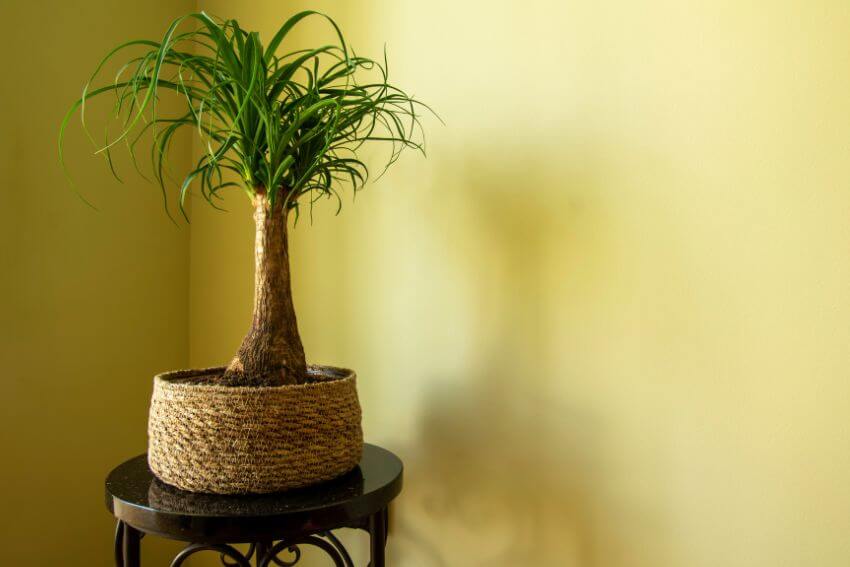
Hello, fellow plant enthusiasts! If you’re like me, you’ve fallen head over heels for the quirky charm of the ponytail palm (Beaucarnea recurvata). With its unique, cascading foliage reminiscent of a ponytail, it’s hard not to be smitten. But what if your ponytail palm is more of a “pixie cut” than the flowing mane you envisioned? Fear not, my green-thumbed friends, because in this gardening adventure, I’m going to spill the potting soil on how to make your ponytail palm grow taller. So, grab your gardening gear, and let’s embark on this quest to elevate your leafy companion to new heights!
Table of Contents
The Beauty of the Ponytail Palm
Before we dive into the secrets of encouraging your ponytail palm to reach for the sky, let’s take a moment to appreciate what makes these plants so special.
Low Maintenance: A Breeze to Care For
One of the most endearing qualities of ponytail palms is their low-maintenance nature. These plants are remarkably forgiving, making them perfect for both experienced and novice plant parents. They tolerate neglect like champions, requiring minimal fuss.
Unique Appearance: A Quirky Statement Piece
Ponytail palms are not your run-of-the-mill houseplants. Their striking appearance sets them apart. With a bulbous trunk that stores water and cascading, strap-like leaves, they make for an eye-catching addition to any indoor or outdoor space.
Longevity: A Timeless Companion
Investing in a ponytail palm is like having a long-term companion. These hardy plants can live for decades or even longer when cared for properly, becoming a living testament to your green thumb prowess.
Understanding the Growth of Ponytail Palms
To help your ponytail palm grow taller, it’s essential to understand how these plants grow in their natural habitat. Ponytail palms are native to arid regions of Mexico, where they’ve adapted to thrive in hot, dry conditions. Here’s what you need to know:
Slow Growers: Patience Is Key
Ponytail palms are not known for their speedy growth. In fact, they’re among the slower-growing houseplants. This means that cultivating a tall, impressive specimen will require patience and dedication.
Bulbous Base: The Water Storage Secret
One of the defining features of the ponytail palm is its bulbous base, often referred to as a caudex. This adaptation allows the plant to store water for extended periods, making it well-suited for arid environments.
Limited Height: A Ceiling Indoors
In their native habitat, ponytail palms can reach up to 30 feet in height. However, when grown indoors, they typically top out at around 6 to 8 feet. Understanding this limitation is crucial to managing your expectations.
Tips to Encourage Vertical Growth
Now, let’s get to the heart of the matter—how to make your ponytail palm grow taller. While you can’t rush Mother Nature, you can create the ideal conditions for upward growth.
1. Proper Pot Selection
Choosing the right pot is your first step toward encouraging vertical growth. Opt for a container that’s slightly larger than the current one but not excessively so. A snug fit encourages the plant to focus on vertical growth rather than spreading its roots.
2. Well-Draining Soil
Ponytail palms loathe soggy roots. To keep your plant healthy, use a well-draining potting mix that allows excess water to escape easily. A cactus or succulent mix works well for these desert-loving plants.
3. Correct Watering Habits
Watering is a critical factor in the health and growth of your ponytail palm.
– Allow Drying: Water Thoroughly But Infrequently
Water your ponytail palm thoroughly but allow the soil to dry out between waterings. The “soak and dry” method works best. Stick your finger into the soil—when it’s dry an inch or so deep, it’s time to water again.
– Moderation During Dormancy
During the dormant winter months, reduce your watering frequency. Ponytail palms slow down their growth during this period and require less moisture. Overwatering during dormancy can lead to root rot.
4. Ideal Light Conditions
Proper lighting is essential for the growth of your ponytail palm. These plants thrive in bright, indirect light. Place your plant near a south or west-facing window where it can bask in filtered sunlight. Rotate the pot periodically to ensure even growth.
5. Temperature Considerations
Maintaining the right temperature is key to your ponytail palm’s well-being. These desert natives prefer warm conditions. Here’s what you need to know:
- Temperature Range: Keep your ponytail palm in an environment with temperatures between 65°F to 75°F (18°C to 24°C). Avoid exposing it to drafts or sudden temperature fluctuations.
- Winter Protection: If you live in a region with cold winters, consider bringing your ponytail palm indoors during the chilliest months. They are sensitive to frost and cold temperatures.
6. Pruning & Trimming
While your ponytail palm may not require extensive pruning, occasional maintenance can promote healthy, upward growth. Here’s what you can do:
- Remove Dead or Yellowing Leaves: Trim away any dead or yellowing leaves. This not only improves the plant’s appearance but also redirects energy to new growth.
- Cut Back Brown Leaf Tips: If you notice dry, brown leaf tips, trim them back to maintain a tidy appearance.
- Encourage Branching: If you desire a fuller appearance, you can encourage branching by carefully cutting off the top of the main stem. New growth should emerge from the cut area.
7. Fertilize Sparingly
Feeding your ponytail palm is essential for its overall health and growth. However, these plants don’t have the same voracious appetite as some other houseplants. Follow these guidelines:
- Use a Balanced Fertilizer: During the growing season (typically spring and summer), feed your ponytail palm with a diluted, balanced liquid fertilizer. A 20-20-20 or similar formulation works well.
- Reduce or Cease Fertilization: During the dormant winter months, when growth slows down, reduce or cease fertilization. Over-fertilization can lead to salt buildup in the soil.
8. Repot Infrequently
Ponytail palms do not require frequent repotting. In fact, they tend to thrive when slightly root-bound. Repot only when the plant has outgrown its container, typically every few years.
9. Be Patient: Slow and Steady Wins the Race
As mentioned earlier, ponytail palms are inherently slow growers. Don’t expect rapid results or noticeable height gains in a short period. Growth may only be readily noticeable over several years.
Common Issues and Solutions
While you’re on your journey to encourage vertical growth, it’s essential to watch out for common issues and address them promptly:
1. Yellowing Leaves: Overwatering Alert
If you notice the leaves turning yellow, it’s often a sign of overwatering. To remedy this, allow the soil to dry out more between waterings.
2. Brown Tips: Moisture and Humidity Issues
Dry leaf tips can indicate low humidity or underwatering. To rectify this, consider the following:
- Mist the Plant: Increase humidity around the plant by misting it regularly with water.
- Use a Humidity Tray: Place a tray filled with water and pebbles near the plant. As the water evaporates, it raises the humidity around the plant.
3. Pests: Unwanted Visitors
Ponytail palms are generally resistant to pests, but occasional infestations can occur. Keep an eye out for mealybugs or spider mites. If you spot any unwanted visitors, treat the plant with neem oil or insecticidal soap to eliminate them.
In Conclusion: Growing Tall and Proud
There you have it, my fellow ponytail palm enthusiasts—a comprehensive guide to coaxing your plant into reaching new heights. Remember that, like a fine wine, these plants only get better with age. Be patient, provide the right care, and you’ll be rewarded with a majestic, towering specimen that will be the envy of your plant-loving friends.
So, give your ponytail palm some love, and watch as it gracefully grows taller, adding an extra dose of green beauty to your indoor or outdoor space. Happy gardening, and may your ponytail palm flourish and flourish!
Share This Story, Choose Your Platform!



Latest News To Your Inbox
Subscribe to hear about our latest blog posts, competitions and special offers.
