
Red Spots On Succulent Leaves? What You Can Do About It
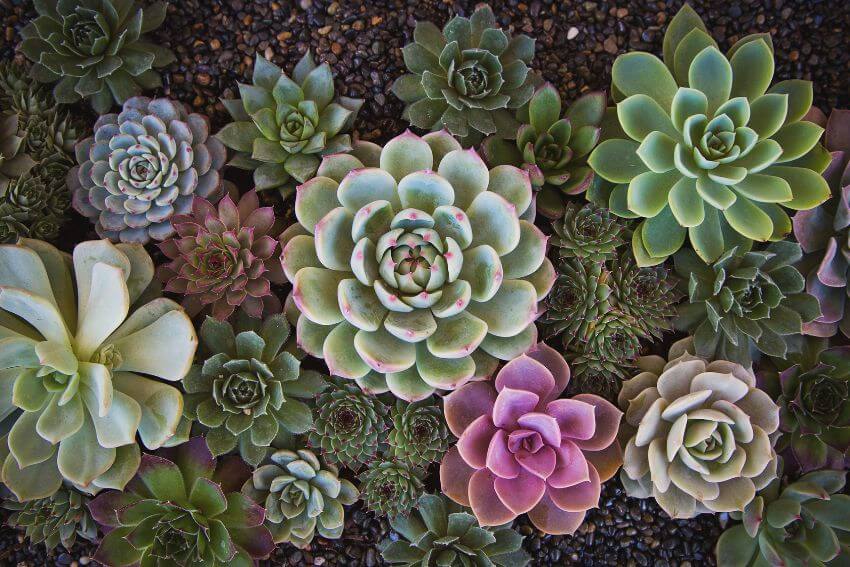
Hey there, fellow succulent enthusiasts! If you’re anything like me, you’ve fallen head over heels for these charming desert darlings. Succulents have a way of adding a touch of green magic to our lives. But what happens when those lovely green leaves start sprouting mysterious red spots? Don’t fret; I’ve got you covered. In this in-depth guide, we’re going to dive deep into the world of red spots on succulent leaves. So, grab your favorite succulent, and let’s get to the root of this intriguing issue!
Table of Contents
The Beauty of Succulents
Before we jump into the fascinating topic of red spots on succulent leaves, let’s take a moment to appreciate why we adore these plants so much:
- Low Maintenance: Succulents are notorious for being low-maintenance. They thrive on neglect and are perfect for both beginners and seasoned gardeners.
- Endless Variety: The world of succulents is incredibly diverse, with thousands of species and cultivars to choose from. You can collect them like rare gems.
- Unique Aesthetics: Their unusual shapes, colors, and textures add a unique charm to any indoor or outdoor space.
- Adaptability: Succulents have evolved to survive in harsh, arid environments, making them resilient and adaptable.
Now, let’s get to the heart of the matter – those mysterious red spots on your beloved succulent leaves.
Red Spots on Succulent Leaves: The Causes
Red spots on succulent leaves can be a bit of a head-scratcher, but fear not; we’re going to break down the common causes one by one.
1. Sunburn
What it Looks Like: Reddish-brown or dark red spots or patches on the leaves, often sunken and dry.
Cause: Too much direct sunlight, especially during the hottest parts of the day, can lead to sunburn. Some succulents are more sensitive than others, and overexposure to intense sunlight can damage the plant cells, resulting in red spots.
Solution:
- Gradually introduce your succulent to more sunlight if it’s been indoors or in low light.
- Provide filtered or indirect sunlight during the hottest hours of the day.
- Move the succulent to a shadier spot until it recovers.
2. Physical Damage
What it Looks Like: Red spots or marks on the leaves that appear to be the result of physical injury.
Cause: Succulent leaves are delicate and can be easily damaged by accidental bumps, handling, or insect activity. When the outer protective layer is compromised, it can result in red spots.
Solution:
- Handle your succulents with care to prevent physical damage.
- Keep an eye out for pests and address infestations promptly.
- Prune damaged leaves if necessary to encourage healthy growth.
3. Fungal or Bacterial Infections
What it Looks Like: Reddish spots that may appear water-soaked, raised, or have a fuzzy texture.
Cause: Fungal or bacterial infections can occur when the succulent’s leaves remain wet for extended periods, often due to overwatering or high humidity. These infections can manifest as red spots or lesions on the leaves.
Solution:
- Improve air circulation around your succulents to reduce humidity levels.
- Water your succulents from the base (avoid overhead watering).
- Trim affected leaves and consider using a fungicide if the infection persists.
4. Natural Pigmentation
What it Looks Like: Red or purple spots or markings that are consistent across the leaves.
Cause: In some succulent species and cultivars, red or purple pigmentation is a natural feature. It’s not a sign of distress but rather a characteristic that adds to their beauty.
Solution:
- Enjoy and embrace the unique coloration of your succulent.
- Provide proper care to ensure the plant remains healthy, as pigmentation is often more vibrant in well-cared-for plants.
5. Nutrient Deficiency
What it Looks Like: Reddish or purplish spots that may also be accompanied by stunted growth.
Cause: Nutrient deficiencies, particularly in essential minerals like phosphorus or potassium, can lead to red or purple spots on succulent leaves. These deficiencies can occur if the plant isn’t receiving a balanced diet.
Solution:
- Use a balanced, water-soluble fertilizer designed for succulents.
- Follow the recommended feeding schedule to provide essential nutrients.
- Ensure the succulent is potted in well-draining soil to prevent nutrient imbalances.
How to Address Red Spots on Succulent Leaves
Now that we’ve identified the potential causes of those intriguing red spots, let’s discuss how to address them and nurse your succulent back to health.
1. Prevention is Key
- Proper Lighting: Ensure your succulent gets the right amount of sunlight. Most prefer bright, indirect light.
- Watering: Water your succulents sparingly and always allow the soil to dry out between watering sessions.
- Soil: Use a well-draining succulent or cactus mix to prevent waterlogged roots.
- Pest Control: Regularly inspect your succulents for pests and take action if you spot any.
2. Treatment for Specific Causes
- Sunburn: Move your succulent to a shadier spot and gradually reintroduce it to sunlight. Trim damaged leaves if necessary.
- Physical Damage: Be gentle when handling your succulents, and consider using insecticides for pest control.
- Fungal or Bacterial Infections: Improve air circulation, avoid overhead watering, and use a suitable fungicide or bactericide if needed.
- Natural Pigmentation: There’s nothing to treat here; simply enjoy the unique colors of your succulent.
- Nutrient Deficiency: Use a balanced succulent fertilizer, following the instructions on the label.
3. Monitor Your Succulent
Keep a close eye on your succulent’s progress after implementing these measures. It may take some time for new, healthy growth to replace affected leaves. Patience is key!
In Conclusion
Red spots on succulent leaves may seem puzzling at first, but armed with the knowledge of potential causes and remedies, you can confidently care for your precious plants. Remember that prevention, proper care, and swift action are your best allies in maintaining healthy and vibrant succulents.
So, my fellow succulent lovers, don’t be disheartened by those intriguing red spots; instead, use them as an opportunity to deepen your connection with these captivating plants. Happy gardening, and may your succulents thrive and flourish!
Share This Story, Choose Your Platform!




Latest News To Your Inbox
Subscribe to hear about our latest blog posts, competitions and special offers.
