
Vegetables That Do Not Like Peat Moss: A Gardener’s Guide
Hey there, fellow gardening enthusiasts! It’s time to dive deep into the world of gardening wisdom, and today, we’re tackling an essential topic: peat moss and its relationship with our beloved veggies. While peat moss can be a valuable addition to your garden soil, not all vegetables are fans. In this detailed guide, I’m going to share with you the vegetables that do not like peat moss and why. So, grab your gardening gloves, and let’s get started on this journey of discovery!
Table of Contents
The Peat Moss Predicament
Peat moss is a common soil amendment cherished for its ability to improve soil structure, retain moisture, and increase acidity. While it’s an excellent choice for many plants, some vegetables thrive better in different soil conditions. Here’s a list of vegetables that aren’t big fans of peat moss and why you might want to reconsider using it for them:
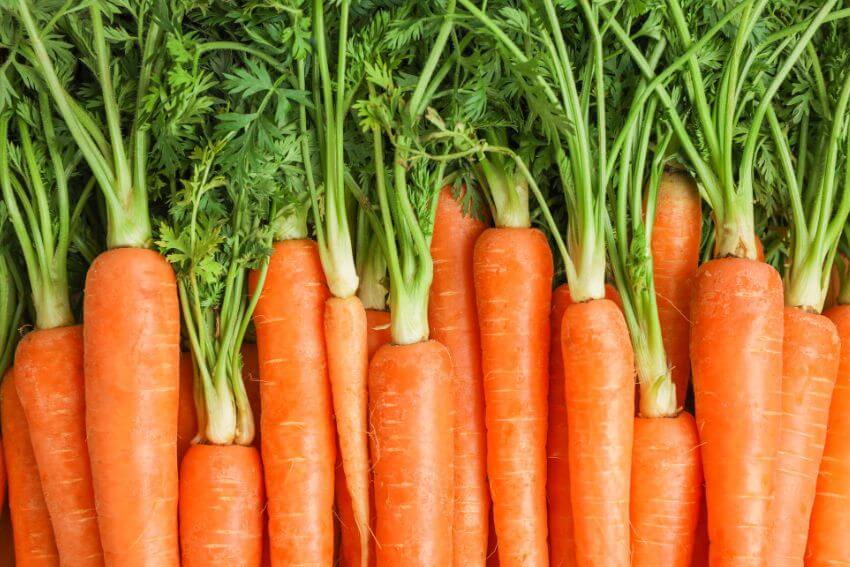
1. Carrots (Daucus carota)
Peat Moss Pitfall: Carrots prefer well-draining, loose soil to develop straight and unobstructed roots. Peat moss, when used excessively, can make the soil too compact, hindering carrot growth.
Ideal Soil: Opt for sandy loam or a mix of organic matter like compost to provide the loose texture carrots crave.
2. Beets (Beta vulgaris)
Peat Moss Pitfall: Beets also need loose, well-draining soil to grow plump roots. Peat moss’s water-retentive properties can lead to rot and irregular beet shapes.
Ideal Soil: Mix compost or aged manure into your soil to improve its texture and fertility without excessive moisture retention.
3. Radishes (Raphanus sativus)
Peat Moss Pitfall: Radishes thrive in light, well-draining soil. Peat moss can create overly compacted conditions, resulting in stunted and misshapen radishes.
Ideal Soil: Opt for sandy loam or amend your soil with organic matter to provide the loose structure radishes need.
4. Potatoes (Solanum tuberosum)
Peat Moss Pitfall: Potatoes prefer slightly acidic soil but can be sensitive to excessive acidity. Peat moss’s acidity may go overboard, affecting potato yields.
Ideal Soil: Mix compost into your soil to improve its fertility while maintaining a neutral pH level for healthy potato growth.
5. Onions (Allium cepa)
Peat Moss Pitfall: Onions require well-draining soil to prevent rot and promote healthy bulb development. Peat moss’s water-retentive properties can lead to soggy conditions.
Ideal Soil: Choose loamy soil or add compost to improve drainage and create the ideal environment for onions.
6. Garlic (Allium sativum)
Peat Moss Pitfall: Like onions, garlic prefers well-draining soil to prevent root rot. Peat moss’s water-holding capacity can be detrimental to garlic bulbs.
Ideal Soil: Opt for loamy soil or add compost to enhance drainage and promote robust garlic growth.
7. Peppers (Capsicum annuum)
Peat Moss Pitfall: Peppers thrive in slightly acidic to neutral soil. Peat moss’s natural acidity can push the pH level too low for optimal pepper growth.
Ideal Soil: Amend your soil with compost to maintain a neutral pH level and provide the right conditions for healthy pepper plants.
8. Tomatoes (Solanum lycopersicum)
Peat Moss Pitfall: While tomatoes can tolerate slightly acidic soil, excessive acidity from peat moss can lead to nutrient imbalances and hinder fruit development.
Ideal Soil: Mix compost into your soil for improved fertility without the risk of over-acidification.
9. Sweet Corn (Zea mays)
Peat Moss Pitfall: Sweet corn prefers soil with excellent drainage, and peat moss can impede this drainage, leading to waterlogged roots and stunted growth.
Ideal Soil: Opt for well-draining loam or sandy loam soil for healthier and taller sweet corn plants.
10. Asparagus (Asparagus officinalis)
Peat Moss Pitfall: Asparagus requires well-draining soil to prevent root rot. Peat moss’s water retention can lead to soggy conditions and asparagus decline.
Ideal Soil: Choose sandy loam or loamy soil with good drainage to ensure vigorous asparagus growth.
Final Thoughts
While peat moss is a fantastic soil amendment for many garden plants, it’s essential to be mindful of its effects on specific vegetables. Knowing which vegetables do not like peat moss and understanding their soil preferences can make a world of difference in your gardening success.
So, as you plan your garden and prepare your soil, remember that not all veggies are peat moss fans. Tailoring your soil amendments to each plant’s needs will lead to healthier, more productive vegetables and a flourishing garden.
Happy gardening, my green-thumbed friends!
Share This Story, Choose Your Platform!




Latest News To Your Inbox
Subscribe to hear about our latest blog posts, competitions and special offers.
