
Does my garden need fertilizer?
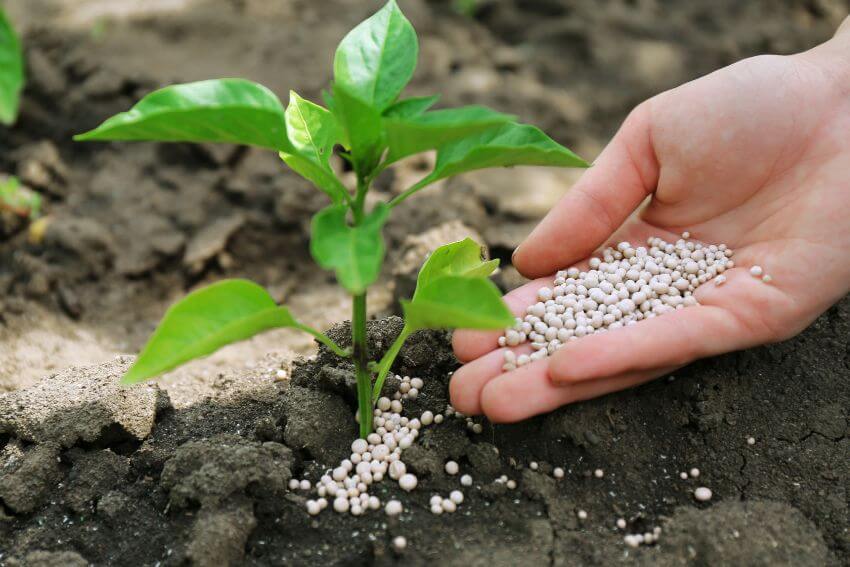
Hello, fellow garden enthusiasts and green-thumbed explorers! Today, we embark on a riveting journey through the world of gardening, where a question often sprouts like a daffodil in spring – does your garden truly require fertilizer? Imagine standing amidst your lush paradise of plants, each leaf whispering secrets of growth. In the midst of this botanical ballet, you ponder the idea of fertilizer. Do your plants need it, or is it merely a luxury? Worry not, dear gardening companions! I’m here to be your gardening guide, ready to delve into the intricate world of fertilization. So, put on your gardening hat, and let’s dig deep into the realm of nutrients, soil health, and the great fertilizer conundrum!
Table of Contents
Picture yourself in your garden, the sun kissing your cheeks, and the fragrant breeze dancing through your plant haven. As you marvel at your garden’s beauty, a question arises – should you be adding fertilizer into the mix? This query tugs at many a gardener’s heart, and today, we’re diving into the heart of it all.
Decoding the Nutrient Equation: The Crucial Role of Fertilizers
Think of fertilizers as the multivitamins for your plants. Just as you need a balanced diet to thrive, your leafy companions thrive on a carefully selected nutrient blend. Here’s why fertilizer goes beyond being an optional garden enhancer:
1. A Nutrient Symphony
- Plant Nutrition: Fertilizers are a nutrient-rich package containing vital elements like nitrogen, phosphorus, and potassium (N-P-K) that plants need for their growth.
2. Soil Depletion Woes
- Nutrient-Hungry Soil: Over time, soil can lose its nutrient content due to plant uptake and leaching. Fertilization helps replenish these nutrients, ensuring your garden’s vitality.
3. Blooms that Enchant
- A Blossoming Story: The right nutrient balance promotes flowering, giving your garden a burst of colors that can rival a painter’s palette.
4. Vegetable Delight
- Harvest Abundance: For those who grow vegetables, proper fertilization leads to bountiful harvests, and who wouldn’t want that?
The Whispering Signs: Is Your Garden Begging for Fertilizer?
Your garden often communicates its needs, and it’s up to us to listen. Watch out for these signals that your garden might be craving some nutrient attention:
- Sluggish Growth: If your plants are inching along the growth journey or appear stunted, they could be yearning for extra nutrients.
- Leaf Drama: Yellowing leaves, especially among young plants, might be a cry for more nitrogen, the nutrient responsible for vibrant greenery.
- Blossoming Blues: Lackluster blooms or fewer flowers than usual could indicate a phosphorus deficiency, a nutrient that supports flowering.
- Fruit Fiasco: For fruit-bearing plants, underdeveloped or small fruits might mean your garden is lacking in potassium, a nutrient vital for healthy fruiting.
Cracking the Code: Deciphering Fertilizer Labels
Now that we’ve established the importance of fertilization, let’s navigate the world of fertilizer labels. Those numbers on the packaging? They hold the key:
The N-P-K Trio: Demystifying the Numbers
- Nitrogen (N): This nutrient is the engine behind leafy growth and lush foliage. Look for a higher first number for plants that thrive on greenery.
- Phosphorus (P): Root development and flowering owe their gratitude to the second number, vital for plants in their flowering phase.
- Potassium (K): The third number supports overall plant health, bolstering disease resistance and stress tolerance.
Timing is Everything: Fertilizing with Precision
How often should you fertilize your garden? It’s a question that dances on the fingertips of many gardeners, and here’s the scoop:
- Plant Preferences: Different plants have varying nutrient needs. Research each plant’s specific requirements to give them the right care.
- Soil Story: Soil types influence nutrient retention. Sandy soils might need more frequent fertilization than their loamy counterparts.
- Seasonal Shuffle: Plants have distinct growth cycles, and their nutrient demands shift accordingly. Fertilize during active growth periods for optimal results.
Organic or Synthetic: Choosing the Right Fertilizer for You
When it comes to fertilizer options, you have a choice between organic and synthetic varieties:
Organic Fertilizers:
- Slow and Steady: Organic options release nutrients gradually, providing sustained nourishment over time.
- Soil Saviors: They improve soil structure, enhance water retention, and boost microbial activity, creating a healthier ecosystem.
Synthetic Fertilizers:
- Quick Release: Synthetic options offer an immediate nutrient boost, ideal for swiftly addressing deficiencies.
- Custom Nutrient Ratios: You can tailor nutrient ratios to match the specific needs of your plants, fine-tuning their diet.
The Fertilizer Dos and Don’ts: A Quick Handbook
To ensure you’re fertilizing like a seasoned gardener, keep these pearls of wisdom in your back pocket:
Do:
- Read Instructions: Always follow the recommended application rates on the fertilizer label.
- Water After Fertilizing: Watering after fertilization helps nutrients reach plant roots and encourages their uptake.
- Embrace Compost: Incorporating compost into your soil provides a steady release of nutrients and improves soil structure.
Don’t:
- Go Overboard: Excessive fertilizer can harm plants and may lead to nutrient imbalances, potentially causing environmental pollution.
- Fertilize Dormant Plants: Avoid fertilizing plants during their dormant period, as their nutrient needs are minimal.
The Bottom Line: Cultivating a Nourished Garden
As we unravel the layers of the fertilizer mystery, one truth stands strong: your garden thrives when provided with the right nutrients. From vibrant blooms to robust vegetables, a well-balanced nutrient diet supports growth, flowering, and the overall vitality of your green haven. Pay attention to your garden’s cues, and let their signals guide you toward providing the nourishment they crave.
So, whether you choose organic or synthetic options, remember that a well-nourished garden is a happy garden. Let’s celebrate the art of nurturing plant health, one nutrient-rich application at a time!
Share This Story, Choose Your Platform!



Latest News To Your Inbox
Subscribe to hear about our latest blog posts, competitions and special offers.
