
How to Replant a Pineapple Plant
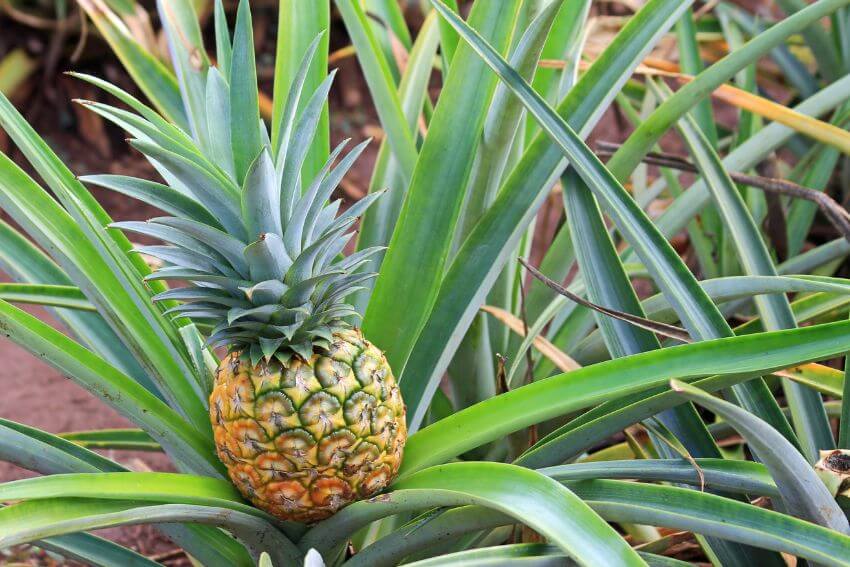
Hello, fellow gardening enthusiasts! Today, we’re embarking on a thrilling journey of rejuvenating an established pineapple plant. If you’re lucky enough to have a mature pineapple plant that needs some TLC or have acquired one from a fellow gardener, this guide is for you. Replanting an established pineapple plant can breathe new life into it and potentially lead to future fruit-bearing glory. So, roll up your sleeves, grab your gardening tools, and let’s revive that pineapple!
Table of Contents
Reviving an Established Pineapple Plant: Why It Matters
Before we dive into the step-by-step process of replanting an established pineapple plant, let’s understand why this endeavor is worth your time:
- Plant Health: Established pineapple plants can sometimes outgrow their containers or face soil issues, affecting their overall health. Replanting provides an opportunity to refresh the growing environment.
- Fruit Production: If your pineapple plant has already borne fruit, it may benefit from replanting to encourage the development of new shoots, potentially leading to more fruit in the future.
- Aesthetic Appeal: Replanting allows you to adjust the plant’s position and aesthetics, making it an attractive addition to your indoor garden.
With these motivations in mind, let’s get started on the process of reviving your pineapple plant.
Materials You’ll Need
To successfully replant your established pineapple plant, gather the following materials:
- An established pineapple plant that needs replanting
- A larger pot with drainage holes
- Fresh potting mix suitable for bromeliads or succulents
- A shovel or gardening trowel
- Pruning shears
- A saucer or tray for the pot
- Optional: gloves, plant stakes, and organic fertilizer
Now that you’re well-equipped, let’s embark on the journey of replanting your established pineapple.
Step-by-Step Guide to Replanting an Established Pineapple Plant
Step 1: Assess the Plant
Begin by evaluating the health and size of your established pineapple plant. Look for signs of overcrowding, root-bound growth, or any indications of poor health, such as yellowing leaves or stunted growth.
Step 2: Prepare the New Pot
- Select a larger pot with drainage holes. The new pot should be at least 2-3 inches wider in diameter than the current pot. Ensure the pot is clean and free from any contaminants.
- Fill the new pot with fresh potting mix suitable for bromeliads or succulents. This type of mix provides excellent drainage, which is crucial for pineapple plants.
Step 3: Remove the Plant
Carefully remove the pineapple plant from its current pot. Gently loosen the roots and shake off excess soil. Be cautious not to damage the roots during this process.
Step 4: Prune and Inspect
- Inspect the plant for any damaged or dead leaves, and trim them using pruning shears. This promotes healthy growth and aesthetics.
- Check the root system. If the roots appear crowded or tangled, you may need to trim some of them to encourage new growth. Use clean, sharp pruning shears to trim the roots. Don’t worry; pineapples are resilient, and root pruning is often necessary during replanting.
Step 5: Replant in the New Pot
- Dig a hole in the center of the fresh potting mix in the new pot. The hole should be deep enough to accommodate the root system of your pineapple plant.
- Place the pineapple plant in the hole, ensuring that the base of the plant is level with the surface of the potting mix.
- Gently pack the potting mix around the plant, securing it in place. Water the plant lightly to settle the soil.
Step 6: Provide Adequate Care
- Place the newly replanted pineapple plant in a location with bright, indirect sunlight. Pineapples thrive in well-lit conditions.
- Water the plant sparingly to keep the soil consistently moist but not waterlogged. Allow the top inch (about 2.5 cm) of the soil to dry before watering again.
- If your pineapple plant appears to be lacking nutrients or has been in the same soil for an extended period, consider applying a balanced, organic fertilizer according to the manufacturer’s instructions.
Step 7: Support and Encourage Growth
You can use plant stakes to support the pineapple as it grows. Pineapple plants typically develop a central stem with leaves radiating from it. Staking can help keep the plant upright and encourage upward growth.
Step 8: Monitor and Patience
Regularly monitor the health and growth of your replanted pineapple plant. Over time, you should see new leaves emerging from the center of the plant.
Conclusion
Replanting an established pineapple plant can breathe new life into your indoor garden. With a bit of care and attention, you can provide your pineapple with a refreshed growing environment, potentially leading to more vibrant growth and future fruit production. So, take the plunge, give your pineapple a fresh start, and watch it thrive in its new home!
May your pineapple plant flourish, and may your indoor garden continue to thrive. Happy gardening, pineapple enthusiasts!
Share This Story, Choose Your Platform!




Latest News To Your Inbox
Subscribe to hear about our latest blog posts, competitions and special offers.
