
Why Is There A Pheasant In My Garden?
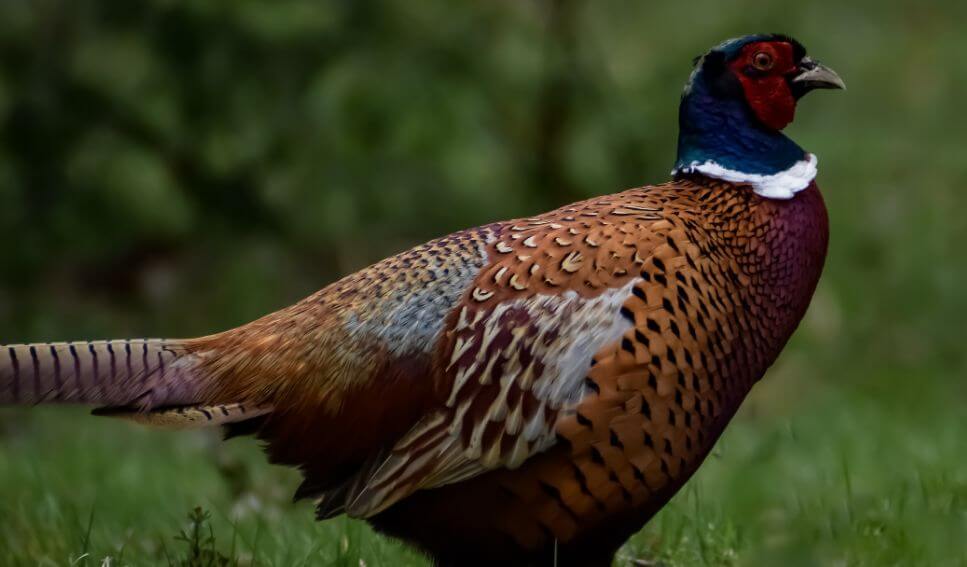
Hello there, fellow gardening enthusiasts! Have you ever found yourself in the delightful surprise of a pheasant gracing your garden with its majestic presence? If you’ve ever wondered why these stunning birds have chosen your garden as their temporary abode, you’re about to embark on a journey of discovery. In this article, I’m thrilled to dive deep into the world of garden pheasants and unravel the captivating reasons behind their unexpected appearances. From habitat appeal to foraging behavior, we’ll explore the intricacies of why pheasants choose to grace your garden with their presence. So, brew yourself a cup of tea, find a cozy spot, and let’s delve into the fascinating realm of garden pheasants!
Table of Contents
Imagine this scene: you’re sipping your morning coffee, gazing out of your window into your garden, and there it is—a pheasant, elegantly navigating through your flower beds. If you’re curious about the motives behind this unexpected visitor, you’re about to uncover the captivating reasons for this enchanting encounter. This article is your guide to unraveling the world of garden pheasants and understanding why they choose your garden as a place of rest and respite.
A Closer Look at Garden Pheasants
Before we delve into the “why” of the matter, let’s take a moment to appreciate the star of our garden spectacle:
Meet the Pheasant: Pheasants are renowned for their striking appearances, boasting vibrant plumage, distinctive markings, and notably long tails. While often associated with rural landscapes, these birds occasionally grace our gardens with their elegance.
Variety Abounds: The world of pheasants is rich and diverse, with various species showcasing unique color patterns and intriguing behaviors. The common pheasant, also referred to as the ring-necked pheasant, is a frequent guest in gardens.
Garden Etiquette: Generally, pheasants are timid creatures that prefer foraging quietly and taking advantage of the garden’s offerings without causing harm. As we’ll see, their presence can even be beneficial.
Reason #1: Habitat Haven
The Scenario: Your garden offers a welcoming habitat reminiscent of the pheasant’s natural environment, complete with shrubs, dense vegetation, and tall grasses.
The Solution: Embrace the harmonious coexistence! Cultivate a diverse garden landscape that provides both aesthetic beauty and a safe haven for these feathered visitors.
Tips for Success:
- Incorporate native plants that offer shelter and cover, providing pheasants with a sense of security.
- Designate a secluded corner of your garden as a “wild” area, allowing pheasants to find refuge away from human activity.
Reason #2: Food Galore
The Scenario: Your garden is a gourmet paradise for pheasants, offering an array of delicious treats, from fallen seeds and fruits to insects and verdant vegetation.
The Solution: Embrace the shared banquet! Foster a biodiverse garden that caters to pheasants’ culinary preferences while benefiting the entire ecosystem.
Tips for Success:
- Plant a variety of flowers, shrubs, and grasses that produce seeds and attract insects, aligning with pheasants’ dietary habits.
- Refrain from using harmful pesticides that can disrupt the natural balance and adversely affect pheasants and other wildlife.
Reason #3: Seasonal Migrations
The Scenario: Pheasants might be on a seasonal journey, and your garden conveniently serves as a welcome pit stop along their migration route.
The Solution: Extend a warm invitation! Provide temporary refuge and sustenance for these travelers passing through.
Tips for Success:
- Maintain a garden environment that is consistently welcoming, ensuring a steady supply of food and water.
- Create a small water feature or birdbath as an inviting oasis for migrating pheasants seeking refreshment.
Reason #4: Nesting Niche
The Scenario: Your garden’s lush vegetation and sheltered corners make it an ideal nesting site for pheasants seeking to raise their young.
The Solution: Play the role of guardian! Respect the pheasants’ need for a peaceful nesting environment.
Tips for Success:
- Refrain from disturbing areas where pheasants might be nesting, such as dense shrubs or tall grasses.
- Establish a buffer zone around potential nesting sites to minimize human interference.
Reason #5: Unintended Attractions
The Scenario: Certain elements in your garden inadvertently attract pheasants, from spilled birdseed to easily accessible water sources.
The Solution: Fine-tune your offerings! Strike a balance between welcoming pheasants and maintaining the integrity of your garden.
Tips for Success:
- Regularly clean up any spilled birdseed or food scraps to discourage pheasants from becoming overly dependent on human-provided food.
- If you enjoy feeding birds, consider setting up designated feeding stations away from areas where pheasants might forage.
Enjoying the Garden Pheasant
Observation Opportunities: Take pleasure in observing pheasants as they go about their daily activities, whether foraging for food or engaging in enchanting courtship displays.
Photography Ventures: Capture the innate beauty of pheasants through the lens of your camera, preserving the memory of their presence in your garden.
Educational Moments: Seize the chance to educate children and visitors about the local wildlife, fostering a deeper appreciation for biodiversity.
Conclusion: Cherishing Unexpected Guests
As we conclude our exploration of the delightful presence of pheasants in your garden, remember that sharing your outdoor space with these feathered friends can be a source of joy. Whether they seek refuge, sustenance, or a nesting spot, pheasants contribute to the enchantment of your garden’s narrative. So, fellow gardeners, embrace these serendipitous guests and relish the unique moments they bring to your natural haven.
Share This Story, Choose Your Platform!



Latest News To Your Inbox
Subscribe to hear about our latest blog posts, competitions and special offers.
