
Causes Of Mealybugs On Plants – Full List
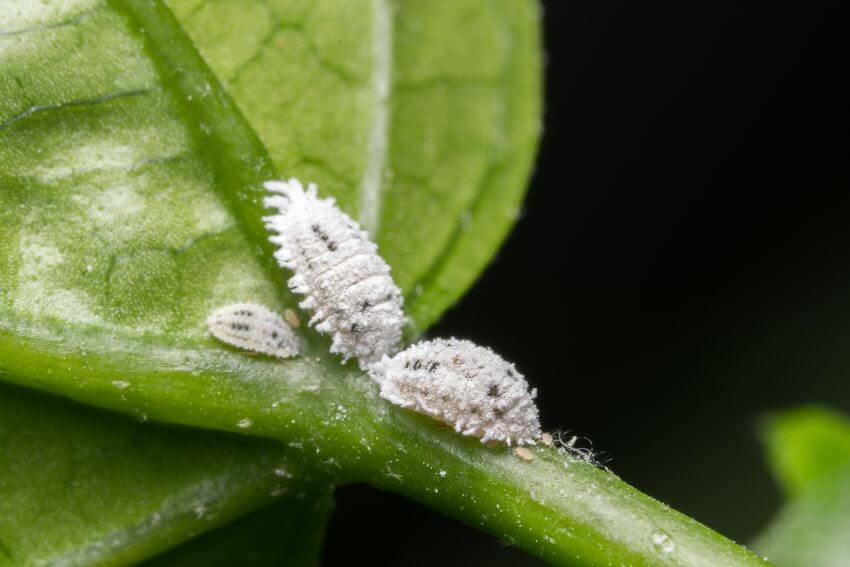
Greetings, fellow plant lovers and gardening enthusiasts! Today, we’re diving headfirst into a topic that can send a shiver down any gardener’s spine – the notorious mealybugs that invade our beloved plants. These sneaky little insects can wreak havoc on your precious greens, but fear not! I’m here to guide you through a comprehensive journey of understanding the causes behind mealybug infestations. So, roll up your sleeves, grab your gardening tools, and let’s embark on this mission to conquer these pesky pests and save your cherished plants!
Table of Contents
Before we dive into the depths of this topic, let’s acquaint ourselves with these tiny yet troublesome creatures. Mealybugs are soft-bodied insects that often appear as fluffy, white or gray clusters on plant leaves, stems, and crevices. These seemingly innocuous insects are, in reality, sap-sucking pests that can severely damage your plants by draining their vitality. But fret not – we’re here to uncover the causes that invite these unwanted guests into your garden.
Decoding the Causes of Mealybugs
1. Poor Plant Hygiene:
- Overcrowding Woes: When plants are densely packed, it restricts airflow and creates humid microclimates – a mealybug’s dream habitat.
- Foliage Overload: Thick foliage provides cozy hiding spots for mealybugs, making it challenging to spot and eliminate them.
2. Introduction of Infested Plant Material:
- Nursery-Bought Troubles: Purchasing plants from nurseries without proper inspection can introduce mealybugs to your garden.
- Contaminated Cuttings: Using plant cuttings without examining them first can unknowingly introduce mealybugs.
3. Poor Air Circulation:
- Air Stagnation: Inadequate air movement can lead to high humidity levels, creating an environment conducive to mealybug infestations.
- Confined Spaces: Indoor plants placed in enclosed spaces are vulnerable to stagnant air, making them prime targets for mealybugs.
4. Excessive Fertilization:
- Nitrogen Overdose: Overusing nitrogen-rich fertilizers can result in soft, succulent growth that mealybugs find irresistible.
5. Elevated Humidity Levels:
- Humid Havens: High humidity provides the perfect breeding ground for mealybugs to reproduce rapidly.
6. Watering Practices:
- Overwatering: Excess moisture weakens plants and makes them more susceptible to mealybug infestations, particularly in high humidity.
- Underwatering Stress: Stressed plants become easy targets for mealybugs, emphasizing the importance of proper hydration.
7. Neglecting Natural Predators:
- Beneficial Bug Balance: Not encouraging natural predators like ladybugs and lacewings can lead to unchecked mealybug populations.
8. Inadequate Quarantine Measures:
- New Arrivals: Skipping the quarantine step for new plants invites potential mealybug infestations.
9. Environmental Stress:
- Plant Weakness: Environmental stressors weaken plants, making them susceptible to mealybug attacks.
10. Skimping on Cleaning:
- Dirty Tool Dilemma: Using unclean tools inadvertently spreads mealybugs from one plant to another.
11. Vulnerable Plant Varieties:
- Susceptible Species: Certain plants are more prone to mealybug infestations due to growth habits or characteristics.
Combatting Mealybugs: Prevention and Control
Now that we’ve dissected the causes, let’s delve into effective strategies for prevention and control of these unwanted invaders:
- Regular Vigilance: Routinely inspect your plants for mealybugs or their telltale white masses.
- Precision Pruning: Trim infected parts to prevent the spread of mealybugs to healthy areas.
- Isolation Zone: Quarantine new plants to ensure they’re mealybug-free before introducing them to your garden.
- Hygiene Priority: Maintain clean gardening tools and regularly remove garden debris to discourage mealybug habitat.
- Nature’s Allies: Attract and introduce beneficial insects like ladybugs and lacewings to keep mealybugs in check.
- Neem Oil and Soap: Employ neem oil or soapy water sprays to suffocate and deter mealybugs.
- Alcohol Assistance: Use rubbing alcohol-soaked cotton swabs to remove individual mealybugs.
- Strategic Pruning: In severe infestations, consider heavy pruning of affected parts or removing heavily infested plants.
In a Nutshell: Outsmarting Mealybug Intruders
In conclusion, addressing mealybug infestations involves understanding their causes and implementing effective strategies for prevention and control. By maintaining proper plant hygiene, optimizing air circulation, and fostering a balanced garden ecosystem, you can significantly reduce the risk of mealybug attacks on your cherished plants.
Armed with knowledge and armed with tactics, you’re now equipped to wage war against mealybugs and safeguard your garden oasis. So, march forth, my fellow gardening warriors, and bid farewell to those pesky pests!
Share This Story, Choose Your Platform!





Latest News To Your Inbox
Subscribe to hear about our latest blog posts, competitions and special offers.
