
Oak Lace Bug – Treatment & Control
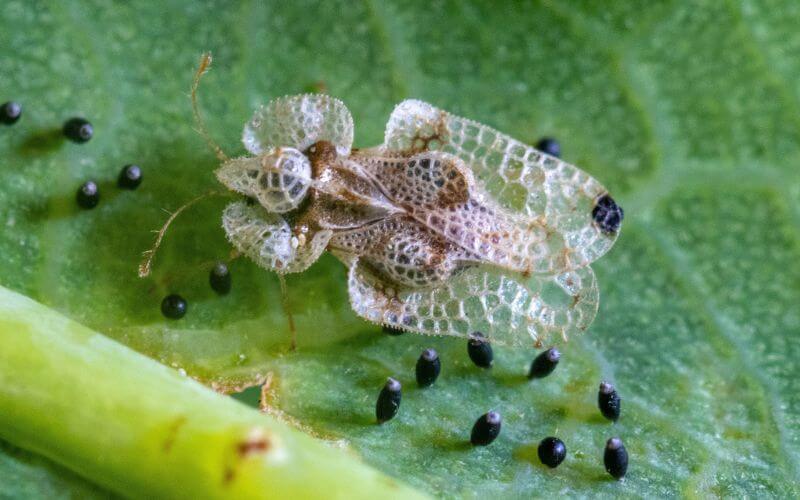
Hey there, fellow garden enthusiasts! Today, we’re diving into a common garden pest problem that can wreak havoc on your beloved oak trees – the Oak Lace Bug. If you’ve ever noticed those unsightly white specks on your oak tree leaves or wondered why your tree’s foliage looks less vibrant, you might be dealing with these little critters. But fear not! In this comprehensive guide, I’ll walk you through everything you need to know about Oak Lace Bugs, from identifying them to effective treatment and control strategies. Let’s roll up our sleeves and get those oak trees back to their healthy, vibrant selves!
Table of Contents
Understanding the Oak Lace Bug
What Are Oak Lace Bugs?
Oak Lace Bugs (Corythucha arcuata) are tiny insects that belong to the family Tingidae. They get their name from the intricate lace-like pattern on their wings, which is especially noticeable in adult lace bugs. These pests primarily feed on the sap of oak trees (genus Quercus), which includes a wide variety of species.
Identification
- Adults: Adult lace bugs are about 1/8 inch long and have lacy, transparent wings. They are generally rectangular in shape and have a flattened appearance. You’ll notice intricate patterns of black, white, and brown on their wings.
- Nymphs: The nymphs are smaller and lack wings. They appear more oval in shape and often have spines or spiky protrusions.
Damage Caused by Oak Lace Bugs
Oak Lace Bugs are sap-sucking insects that feed on the undersides of oak leaves. As they pierce the leaf tissue and withdraw sap, they cause a series of problems for your oak tree, including:
- Leaf Discoloration: The first sign of an Oak Lace Bug infestation is usually stippling, which appears as tiny yellow or white specks on the upper leaf surfaces. This is a result of the bugs’ feeding.
- Leaf Curling: Severe infestations can cause leaves to curl, with the undersides becoming discolored.
- Reduced Photosynthesis: The damage caused by these pests can reduce the tree’s ability to photosynthesize effectively, potentially weakening the tree over time.
Treatment and Control Strategies
Now that we’ve identified the culprits, let’s explore how to tackle an Oak Lace Bug infestation and keep your oak trees healthy and thriving.
1. Monitoring
Regular monitoring is essential for early detection. Here’s what to look for:
- Stippling: Check the upper leaf surfaces for stippling, which indicates the presence of lace bugs.
- Underside Inspection: Gently flip the leaves over and examine the undersides. Look for the nymphs, adults, and their eggs, which appear as small clusters.
2. Pruning and Cleaning
- Pruning: Prune away severely infested branches and leaves. Dispose of the pruned material away from your garden to prevent re-infestation.
- Cleaning: Clean up fallen leaves and debris around your oak trees, as lace bug nymphs may overwinter in leaf litter.
3. Beneficial Insects
Consider introducing natural predators, such as ladybugs, lacewing larvae, or parasitic wasps, to help control lace bug populations. These beneficial insects can be purchased or encouraged to inhabit your garden naturally.
4. Horticultural Oils and Soaps
- Insecticidal Soaps: Apply insecticidal soap to the undersides of leaves, where lace bugs are most active. Ensure thorough coverage.
- Horticultural Oils: Horticultural oils can suffocate lace bugs. Apply during the dormant season or when lace bugs are in the nymph stage. Be sure to follow label instructions.
5. Neem Oil
Neem oil is a natural pesticide that can help control lace bugs. Mix it with water and apply it to your oak tree’s foliage.
6. Systemic Insecticides
Systemic insecticides are absorbed by the tree, making it toxic to lace bugs when they feed on the sap. Use systemic treatments as a last resort and follow label instructions carefully.
7. Cultural Practices
- Proper Watering: Maintain your oak tree’s health through proper watering. A well-hydrated tree is better equipped to resist infestations.
- Fertilization: Provide appropriate nutrients through fertilization to keep your tree strong.
- Mulching: Apply a layer of mulch around your tree to retain moisture and improve soil health.
Prevention is Key
Preventing Oak Lace Bug infestations is always better than dealing with them. Here are some tips to keep these pests at bay:
- Plant Resistant Varieties: Consider planting oak tree species that are less susceptible to lace bug infestations.
- Regular Pruning: Prune your oak trees regularly to remove dead or weakened branches, reducing potential lace bug habitats.
- Maintain Tree Health: Healthy trees are more resistant to pests. Ensure proper care and maintenance.
- Clean Surroundings: Keep your garden clean and free from debris to discourage lace bugs from overwintering.
- Crop Rotation: If you have a vegetable garden nearby, practice crop rotation to avoid attracting lace bugs.
Wrapping Up
Dealing with Oak Lace Bugs can be a challenge, but armed with the right knowledge and strategies, you can protect your oak trees and maintain a thriving garden. Remember, early detection and proactive prevention are your best allies in the fight against these lacey invaders. Keep a close eye on your garden, and your oak trees will continue to provide beauty and shade for years to come!
Share This Story, Choose Your Platform!



Latest News To Your Inbox
Subscribe to hear about our latest blog posts, competitions and special offers.
