
Preventing Birds from Nesting in Flower Pots
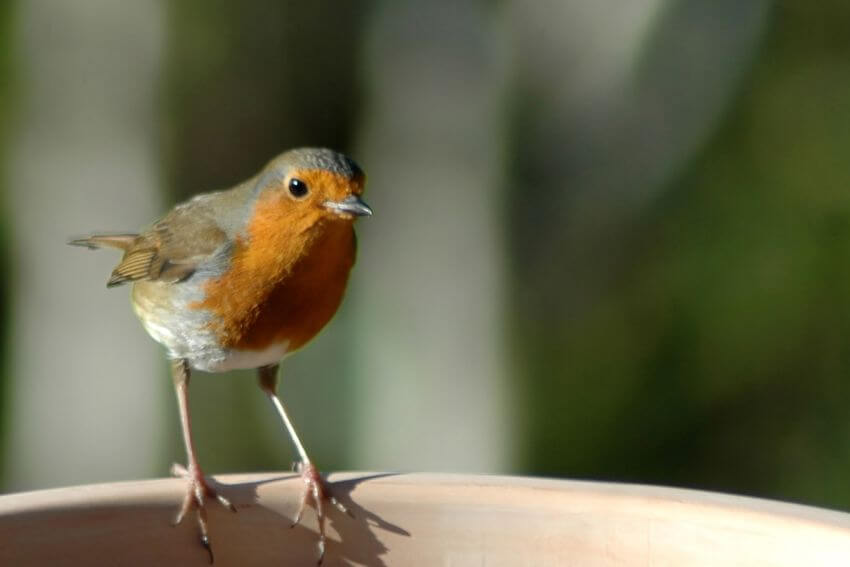
Hello, fellow gardening enthusiasts! If you’ve ever had the delightful experience of discovering a feathered friend has made a nest in one of your flower pots, you know the joy it brings to your garden. However, there are times when it becomes necessary to deter our avian companions from nesting in our cherished plant containers. Whether it’s due to potential damage to your blooms, hygiene concerns, or the safety of your curious pets, we’ve got you covered. In this comprehensive guide, we’ll explore various strategies to prevent birds from nesting in your flower pots while keeping their best interests at heart. So, let’s embark on this journey to create a bird-friendly garden, where both your plants and our feathered friends can coexist harmoniously!
Table of Contents
The Balancing Act: Bird Deterrence with Compassion
Before we delve into the tactics, let’s discuss why you might want to discourage birds from nesting in your flower pots while keeping their best interests at heart:
- Plant Protection: Birds can inadvertently damage plants and their root systems while foraging for nesting materials or food.
- Hygiene: Nesting birds can create a mess of feathers, droppings, and debris, which may not be desirable near your outdoor living spaces.
- Safety: If you have curious pets, nesting birds can become targets for exploration, leading to disturbances or potential harm.
- Bird Welfare: We want to encourage a bird-friendly environment while ensuring that your garden remains a safe and nurturing place for both plants and wildlife.
With these considerations in mind, let’s explore some humane ways to deter birds from nesting in your flower pots.
Step 1: Choose Bird-Friendly Plants
One way to avoid attracting nesting birds to your flower pots is by selecting plants that are less appealing to them:
- Prickly Plants: Opt for spiky or prickly plants like cacti, succulents, or thorny bushes. These are less inviting for nesting.
- Non-Attractive Varieties: Choose plant varieties that are less likely to attract birds with their foliage, nectar, or seeds. This not only prevents nesting but also encourages birds to forage elsewhere.
Step 2: Remove Old Nests Promptly
If you discover an existing nest in one of your flower pots, it’s essential to handle the situation with care:
- Wait for Vacancy: Wait until the nesting season is over, and the birds have left the nest. It’s essential not to disturb active nests, as some birds are protected by law.
- Clean the Pot: Once the nest is vacant, remove it gently and clean the pot thoroughly. This prevents the scent of the old nest from attracting birds back to the same location.
Step 3: Try Non-Harmful Visual Deterrents
Visual deterrents can make flower pots less appealing to birds:
- Reflective Objects: Hang shiny objects like CDs, aluminum foil strips, or old CDs around the area. The movement and reflection can deter birds.
- Predator Decoys: Place realistic owl or hawk decoys near your pots. Birds may perceive them as threats and avoid the area.
- Eye Balloons: Inflatable eye balloons with large, intimidating eyes can also discourage birds from nesting in the vicinity.
Step 4: Use Sound-Based Solutions
Sound can be an effective bird deterrent:
- Wind Chimes: Hang wind chimes near your flower pots to create gentle, consistent noise that birds may find unsettling.
- Ultrasonic Devices: Some ultrasonic devices emit high-frequency sounds that are unpleasant for birds but generally inaudible to humans. Ensure they’re designed to be safe and humane.
Step 5: Netting and Physical Barriers
Physical barriers can prevent birds from accessing your flower pots:
- Netting: Place bird netting or mesh over your pots. Ensure it’s secure but doesn’t harm the birds. Make sure there are no gaps that birds can get trapped in.
- Mesh or Wire Frames: Create a wire frame or mesh dome around your pots to make them less accessible. Ensure that the openings are large enough to allow your plants to grow but small enough to deter birds.
- Cloches: Cloches are protective covers that shield individual plants or pots. They not only protect against bird nesting but also provide a microclimate for your plants.
Step 6: Consistency and Maintenance
Consistency is key to bird deterrence:
- Regular Inspection: Periodically check your pots for any signs of bird activity or nesting attempts.
- Maintenance: Keep up with the chosen deterrent methods, making adjustments as needed.
- Rotate Plant Locations: Change the positioning of your pots occasionally to avoid creating a permanent bird nesting spot.
Step 7: Provide Bird-Friendly Alternatives
Remember, we want to create a harmonious environment for both your garden and the birds:
- Birdhouses and Feeders: Offer birdhouses and bird feeders in other parts of your garden to provide attractive nesting and feeding spots. Make sure to clean and maintain these regularly.
- Birdbaths: Install birdbaths to entice birds with a reliable water source. A clean birdbath can be a magnet for birds.
- Nesting Boxes: If you have the space, consider installing nesting boxes for birds. These can provide safe and inviting nesting spots.
Conclusion
Deterring birds from nesting in your flower pots can be achieved compassionately and effectively by using a combination of visual, sound, and physical deterrents. Remember to prioritize the welfare of both your garden and the feathered visitors who share your outdoor space. By following these steps, you can create a peaceful coexistence that allows your plants to thrive and provides a welcoming environment for birds to enjoy.
Happy gardening, and may your garden remain a haven for all creatures great and small!
Share This Story, Choose Your Platform!



Latest News To Your Inbox
Subscribe to hear about our latest blog posts, competitions and special offers.
