
What To Plant Along Fence Line? – Best Gardening Ideas
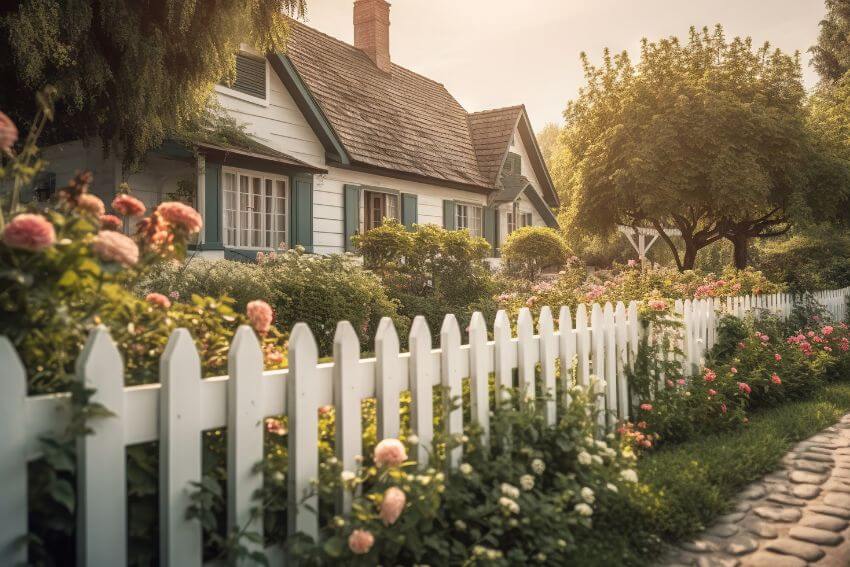
Hey there, fellow green thumbs! One of the most exciting and often underutilized spaces in our gardens is the fence line. It’s a fantastic opportunity to add some vertical interest, create privacy, and enhance the overall beauty of your outdoor space. In this gardening guide, I’m going to share some of the best ideas for what to plant along your fence line. Whether you have a wooden fence, chain-link, or even a brick wall, we’ve got you covered!
Table of Contents
Why Plant Along the Fence Line?
Before we jump into the plant suggestions, let’s quickly go over why planting along your fence line is such a brilliant idea:
- Privacy: Filling in the space along your fence can create a natural privacy screen, allowing you to enjoy your outdoor space without feeling exposed.
- Aesthetics: A well-planted fence line can be a thing of beauty, enhancing your garden’s overall appearance and creating a more inviting atmosphere.
- Space Utilization: Don’t let that valuable space go to waste! Planting along the fence line maximizes your garden’s potential.
- Wildlife Attraction: Certain plants can attract birds, butterflies, and other pollinators, turning your fence into a wildlife-friendly oasis.
Now, let’s dive into the best plant ideas for your fence line.
1. Climbing Roses (Rosa spp.)
Bold, beautiful, and classic, climbing roses are an excellent choice for a fence line. Here’s why:
- Vertical Growth: Climbing roses naturally embrace fences and trellises, creating a stunning floral display.
- Variety: Choose from a wide array of colors and fragrances to suit your garden’s theme.
- Maintenance: Regular pruning and support are essential, but the payoff is worth it.
Pro Tip: Plant climbing roses at the base of your fence, provide sturdy trellises, and watch them ascend to new heights.
2. Clematis (Clematis spp.)
Clematis vines offer elegance and versatility along your fence. Here’s what makes them a top choice:
- Diverse Blooms: Clematis come in various flower shapes, sizes, and colors, ensuring a unique look for your fence.
- Seasonal Interest: Some clematis varieties bloom in spring, while others grace your garden with their presence in summer and fall.
- Companion Plant: Pair clematis with roses or other climbing plants for a stunning combination.
Pro Tip: Clematis appreciate their roots shaded, so consider planting low-growing perennials at their base.
3. Jasmine (Jasminum spp.)
For a fence line that smells as good as it looks, consider planting jasmine. Here’s why it’s a top contender:
- Fragrance: Jasmine’s sweet, aromatic blooms fill the air with an enchanting scent.
- Evergreen Options: Some jasmine varieties are evergreen, ensuring year-round beauty and privacy.
- Low Maintenance: Once established, jasmine requires minimal care.
Pro Tip: Regular pruning keeps jasmine from becoming too unruly, maintaining its shape and appearance.
4. Butterfly Bush (Buddleja spp.)
If you want to attract pollinators and enjoy vibrant blooms, the butterfly bush is your go-to plant. Here’s why it’s a fantastic choice:
- Butterfly Magnet: As the name suggests, this bush draws butterflies, hummingbirds, and bees to your garden.
- Easy Care: Butterfly bushes are hardy and low-maintenance, making them perfect for busy gardeners.
- Long Blooming: Their flowers provide color and interest from summer well into fall.
Pro Tip: Prune butterfly bushes in late winter or early spring to promote healthy growth.
5. Evergreen Shrubs (Various Species)
For year-round greenery and privacy, consider planting evergreen shrubs along your fence. Here’s why they’re a smart choice:
- Privacy Screen: Evergreens create an effective and attractive natural barrier.
- Low Maintenance: Once established, they require minimal upkeep.
- Versatile: Choose from a variety of evergreen species to match your garden’s aesthetic.
Pro Tip: Space your evergreen shrubs properly to allow for growth without overcrowding.
6. Lattice with Vines
For a dynamic fence line, combine lattice panels with climbing vines. Here’s why this combination works wonders:
- Versatility: You can choose different vines to suit your taste, from ivy to honeysuckle.
- Customizable: Lattice can be painted or stained to match your garden’s color scheme.
- Privacy and Aesthetics: This combo provides both privacy and visual appeal.
Pro Tip: Secure the lattice firmly to your fence, and train the vines to climb and cover the structure.
7. Ornamental Grasses (Various Species)
If you prefer a more natural and textured look, ornamental grasses are an excellent choice. Here’s what makes them stand out:
- Texture and Movement: Grasses add texture and graceful movement to your garden.
- Low Maintenance: They’re generally low-maintenance and drought-tolerant once established.
- Year-Round Interest: Some grasses have beautiful seed heads that persist into winter.
Pro Tip: Choose a mix of tall and short grasses for a visually appealing fence line.
8. Hydrangeas (Hydrangea spp.)
For a touch of elegance and color, consider planting hydrangeas along your fence. Here’s what makes them a favorite:
- Large Blooms: Hydrangeas produce big, beautiful clusters of flowers in various shades.
- Versatile: They can be grown in the ground or containers along the fence.
- Seasonal Interest: Enjoy blooms from late spring through summer.
Pro Tip: Depending on your soil’s pH, you can influence the color of your hydrangea blooms.
9. Perennial Border Plants (Various Species)
Creating a border of perennials along your fence offers continuous color and texture. Here’s why it’s a brilliant idea:
- Longevity: Perennials return year after year, saving you effort and money.
- Diversity: You can mix and match different perennials to create your desired look.
- Low Maintenance: Once established, perennials need minimal care.
Pro Tip: Choose a mix of early, mid-season, and late-blooming perennials for year-round interest.
10. Herb and Vegetable Garden
Why not utilize your fence line for both beauty and function? Planting herbs and vegetables can be both practical and visually appealing. Here’s why it’s a unique choice:
- Edible Delights: Enjoy fresh herbs and veggies right from your garden.
- Space Saver: If you have a small garden, this maximizes your growing area.
- Aesthetic Appeal: Herbs like rosemary and basil have beautiful foliage.
Pro Tip: Mix in some colorful flowers among your herbs and veggies for added visual interest.
Maintenance Tips
Regardless of what you choose to plant along your fence line, here are some general maintenance tips:
- Watering: Ensure your plants receive the right amount of water based on their individual needs.
- Mulching: Apply a layer of mulch to retain moisture, suppress weeds, and maintain soil temperature.
- Pruning: Regularly trim and shape your plants to encourage healthy growth and maintain aesthetics.
- Fertilizing: Feed your plants with appropriate fertilizers to ensure they get the nutrients they need.
- Support: Provide trellises, stakes, or other support structures as needed for climbing plants.
Now that you have an array of ideas for what to plant along your fence line, it’s time to get your hands dirty and transform that often-overlooked space into a garden masterpiece!
Share This Story, Choose Your Platform!



Latest News To Your Inbox
Subscribe to hear about our latest blog posts, competitions and special offers.
