
How To Make Peat Moss
Greetings, fellow gardening enthusiasts! Today, we’re embarking on a green journey into one of the most beloved organic materials in the gardening world – peat moss. Whether you’re looking to save money, reduce your environmental footprint, or simply enjoy the satisfaction of a DIY project, learning how to make peat moss at home is an endeavor that’s both rewarding and sustainable. So, roll up your sleeves, gather your gardening gear, and join me on this comprehensive guide to creating your very own peat moss!
Table of Contents
Why Make Peat Moss at Home?
Before we delve into the nitty-gritty of making peat moss, let’s pause for a moment to understand why you might want to undertake this rewarding DIY endeavor:
- Sustainability: Commercial peat moss harvesting has raised environmental concerns due to its impact on peat bogs, which are essential ecosystems. By making your own, you’re contributing to a more sustainable gardening practice.
- Cost-Efficiency: Homemade peat moss can save you money, especially if you need significant quantities for your gardening projects.
- Customization: Homemade peat moss allows you to control its quality, ensuring it meets your garden’s specific needs.
Now, let’s get our hands dirty and learn how to make peat moss using readily available materials and a touch of patience.
Materials You’ll Need
Before you start making peat moss, gather the following materials:
- Decomposable Organic Matter: This can include leaves, straw, dried grass clippings, shredded newspaper, or any other organic material you have on hand.
- Shovel or Garden Fork: You’ll need this tool for turning the organic matter.
- Large Containers or Piles: These will serve as the space to create your peat moss pile.
- Water Source: To keep your pile adequately moist.
Step-by-Step Guide to Making Peat Moss
Step 1: Collect Organic Matter
- Gather a Variety of Materials: Start by collecting a diverse range of decomposable organic matter. This can include leaves, straw, dried grass clippings, shredded newspaper, and other plant-based materials. The goal is to create a mix that mimics the qualities of peat moss.
Step 2: Choose a Location and Create a Pile
- Select an Appropriate Location: Choose a suitable spot in your garden or backyard for your peat moss pile. Ensure it’s accessible and won’t disrupt your garden layout.
- Start Layering: Begin layering your organic materials in the chosen location. Alternate between different types of organic matter to create a balanced mix. The layers should be around 6-8 inches thick.
Step 3: Keep It Moist
- Regular Watering: Maintain the pile’s moisture level by regularly watering it. The objective is to keep the organic matter consistently damp but not waterlogged. Think of it as the moisture level in a wrung-out sponge.
Step 4: Turn the Pile
- Aerate the Pile: Every few weeks, use a shovel or garden fork to turn the pile. This aerates the materials and helps distribute moisture and heat evenly. Turning also promotes decomposition.
Step 5: Exercise Patience
- Wait for Decomposition: The transformation of your organic matter into peat moss can take several months to a year, depending on your climate, the materials used, and how often you turn the pile. Be patient and let nature work its magic.
Step 6: Harvest Your Peat Moss
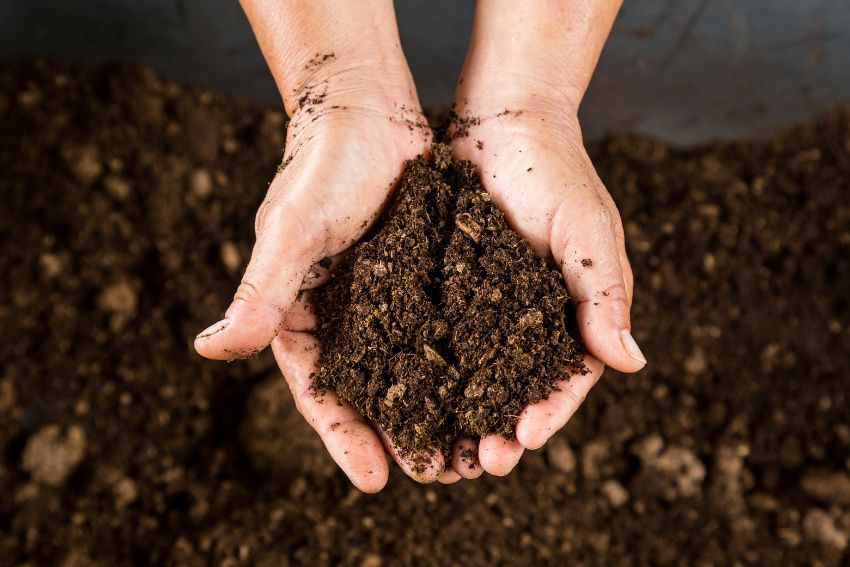
- Look for Signs of Decomposition: Once your organic matter has decomposed into a dark, crumbly material with an earthy, peat-like smell, your homemade peat moss is ready for use.
How to Use Homemade Peat Moss
Now that you have your homemade peat moss, here are some practical ways to use it in your garden:
- Soil Amendment: Mix it into your garden soil to improve its texture, water retention, and aeration.
- Seed Starting: Create a custom seed starting mix by blending peat moss with other ingredients like vermiculite and perlite.
- Potting Mix: Incorporate it into potting mixes for container gardening.
- Mulch: Use it as a natural mulch to retain soil moisture and suppress weeds in your garden beds.
In Conclusion
Congratulations, my fellow gardening comrades! You’ve successfully unlocked the art of making your very own peat moss. By creating peat moss at home, you’re not only embracing a sustainable gardening practice but also taking control of the quality of this invaluable garden resource.
Remember, the journey from organic matter to peat moss is a journey of patience and dedication. As you watch your homemade peat moss enrich your garden soil, enhance seed germination, and provide a comfortable home for your plants, you’ll find immense satisfaction in your eco-friendly and cost-effective gardening adventure.
Share This Story, Choose Your Platform!



Latest News To Your Inbox
Subscribe to hear about our latest blog posts, competitions and special offers.
