
Holes in Succulent Leaves – Causes & Remedies
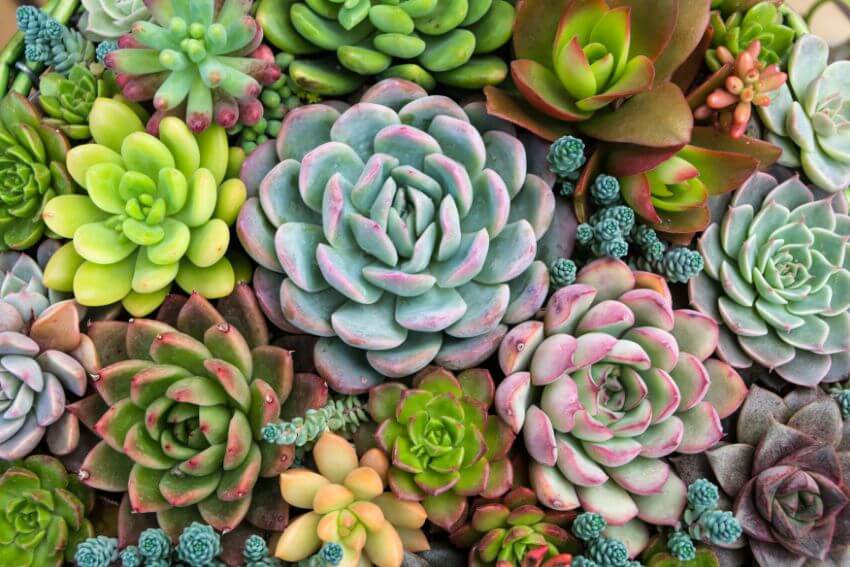
Hello, dear succulent aficionados and plant enthusiasts! Today, we’re diving deep into a perplexing issue that has left many of us scratching our heads – those intriguing holes that appear in our beloved succulent leaves. But fear not, because I’m here to guide you through the intricate world of succulent leaf damage, helping you identify the various causes behind these holes and equipping you with a comprehensive toolkit of remedies. So, gather ’round the gardening table, and let’s embark on a journey to unveil the secrets of those enigmatic holes in your precious succulent leaves!
Table of Contents
Before we delve into the solutions, it’s important to grasp why these holes in succulent leaves aren’t just a mere aesthetic concern:
- Impact on Plant Health: Holes can compromise the structural integrity of leaves, potentially affecting the overall health and vitality of your succulent.
- Gateways for Pests and Diseases: These holes serve as entry points for pests and diseases, leaving your succulent vulnerable to unwanted invaders.
- Indicators of Underlying Issues: The presence of holes can serve as a red flag, alerting you to underlying problems ranging from pest infestations to improper care practices.
Pinpointing the Culprits: Unveiling the Causes Behind Holey Leaves
Now that we recognize the importance of understanding the causes, let’s dig deeper into the potential culprits responsible for these holes:
1. Pests: The Silent Saboteurs
- Chewing Insects: Sneaky culprits like caterpillars, beetles, and snails have a penchant for nibbling on succulent leaves, leaving behind telltale holes.
- Solution: Regularly inspect your succulents for signs of pests. If you spot any intruders, take action by manually removing them or employing natural pest control methods.
2. Sunburn: When Sunshine Turns Harsh
- Intense Sun Exposure: Excessive and direct sunlight can scorch the leaves of your succulents, resulting in sunburn that manifests as holes or discolored spots.
- Solution: Gradually introduce your succulents to brighter light, especially if they have been kept indoors. Provide partial shade during the peak hours of sunlight.
3. Mechanical Damage: Accidental Misfortune
- Physical Trauma: Accidental bumps, brushes, or rough handling can lead to mechanical damage and result in holes in succulent leaves.
- Solution: Handle your succulents with care, and consider placing them in areas with minimal risk of accidental contact.
4. Fungal or Bacterial Issues: Silent Intruders
- Pathogens at Play: Fungal or bacterial infections can contribute to tissue damage and the formation of holes in succulent leaves as these pathogens spread.
- Solution: Promptly remove affected leaves to prevent the spread of disease. Adjust your watering routine to maintain proper moisture levels and prevent conditions conducive to disease.
Effective Strategies to Restore the Glory of Hole-Free Leaves
With the potential culprits identified, let’s now explore a range of effective strategies to restore your succulents to their full splendor:
1. Regular Inspection and Prevention
- Vigilant Monitoring: Cultivate the habit of inspecting your succulents regularly for signs of pests, diseases, or any form of damage.
- Quarantine New Additions: Isolate new succulents for a period before introducing them to the rest of your collection to prevent potential pest or disease transmission.
2. Pest Management
- Manual Removal: For minor pest infestations, consider hand-picking the pests from your succulents.
- Natural Predators: Introduce beneficial insects like ladybugs to your garden, or use natural repellents like neem oil to discourage pests.
3. Shielding Against Sunburn
- Gradual Acclimation: Gradually expose your succulents to brighter light to prevent sunburn from intense sunlight.
- Temporary Shade: Create temporary shade using sheer curtains or shade cloth during peak sunlight hours.
4. Preventing Mechanical Damage
- Strategic Placement: Position your succulents in areas with minimal foot traffic or opportunities for accidental damage.
5. Tackling Disease Challenges
- Pruning: Trim and remove affected leaves immediately to prevent the spread of diseases.
- Adjusted Watering: Allow the soil to dry out between waterings to discourage fungal and bacterial growth.
Championing Healthy Succulents: A Journey to Restoration
Remember, each succulent’s situation is unique, and a combination of factors might contribute to those holes in the leaves. By embracing these strategies and adopting proactive measures, you’ll be well on your way to restoring your succulents to their vibrant and hole-free state. Keep nurturing your green beauties, and happy gardening, my fellow succulent enthusiasts!
Share This Story, Choose Your Platform!



Latest News To Your Inbox
Subscribe to hear about our latest blog posts, competitions and special offers.
