
Troubleshooting Pothos Cuttings: Why Aren’t They Growing?
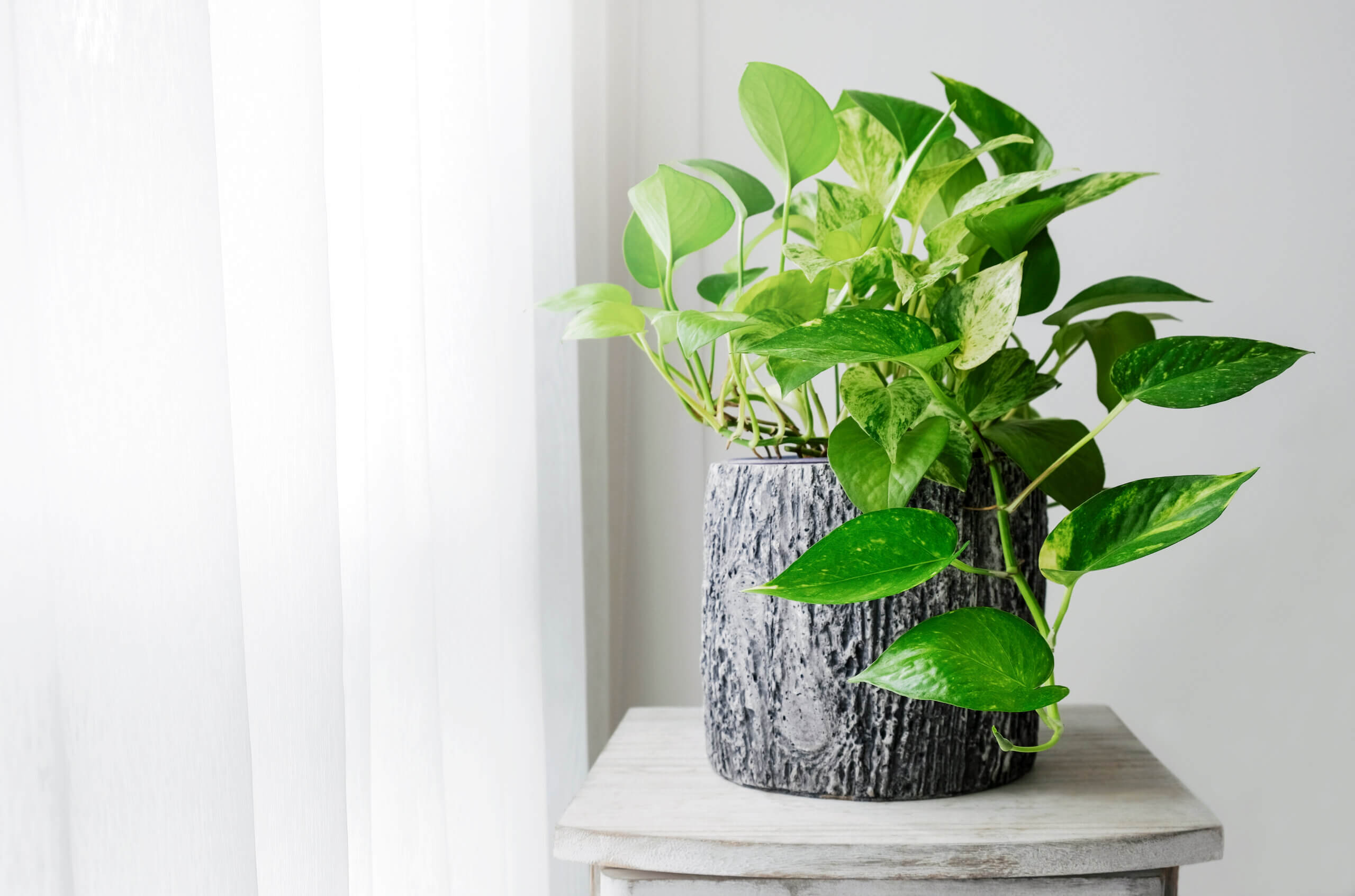
Hello, fellow plant lovers! If you’re like me, pothos (Epipremnum aureum) holds a special place in your heart. These versatile and resilient plants are perfect for both beginners and experienced gardeners. One of the best things about pothos is how easy it is to propagate them from cuttings. But what do you do when your pothos cuttings just aren’t showing any signs of growth? Don’t fret—I’ve got your back. In this comprehensive guide, we’ll explore the eight most common reasons why pothos cuttings may not be growing as expected and, more importantly, how to solve these issues. So, grab your pruning shears and let’s dive into the world of pothos propagation!
Table of Contents
1. Lack of Adequate Light
Why it’s a Problem:
Pothos are known for their ability to thrive in low light conditions, but cuttings need a bit more light to establish roots and start growing. If your cuttings are in a dimly lit spot, growth may be sluggish or non-existent.
Solution:
Move your cuttings to a brighter location with indirect sunlight. Avoid harsh, direct sun, as it can scorch the delicate cuttings. A north or east-facing window is usually ideal.
2. Incorrect Watering Practices
Why it’s a Problem:
Overwatering or underwatering can both hinder the growth of pothos cuttings. Soggy soil can lead to rot, while bone-dry soil can stress the cuttings.
Solution:
Water your cuttings thoroughly, allowing excess water to drain away. Then, let the top inch of the soil dry out before the next watering. Ensure that the pot has drainage holes to prevent waterlogging.
3. Unsuitable Potting Mix
Why it’s a Problem:
The wrong potting mix can create unfavorable conditions for your pothos cuttings. A heavy or water-retentive mix can lead to root rot, while a mix lacking nutrients can slow down growth.
Solution:
Use a well-draining potting mix, preferably one designed for houseplants or a mix of potting soil, perlite, and a small amount of compost for added nutrients.
4. Not Enough Humidity
Why it’s a Problem:
Pothos cuttings thrive in a humid environment. Low humidity levels can cause the cuttings to lose moisture too quickly, stunting their growth.
Solution:
Increase humidity around your cuttings by misting them regularly or placing a tray filled with water and pebbles nearby. You can also use a humidifier in the room.
5. Inadequate Temperature
Why it’s a Problem:
Pothos cuttings prefer warm temperatures for optimal growth. If it’s too cold, they may become sluggish or even dormant.
Solution:
Maintain a temperature between 70°F to 90°F (21°C to 32°C) for your cuttings. Avoid exposing them to drafts or sudden temperature fluctuations.
6. Cutting Quality and Size
Why it’s a Problem:
The quality and size of the cutting can affect its ability to grow. Too small or damaged cuttings may struggle to establish roots.
Solution:
Use healthy, mature cuttings with at least two nodes (the segments where leaves and roots grow). Ensure that your cutting includes a healthy portion of stem between the nodes.
7. Neglecting Root Development
Why it’s a Problem:
Sometimes, we’re so eager to see our cuttings grow above the soil that we forget about what’s happening below—root development. Without a strong root system, the cutting can’t support new growth.
Solution:
Be patient and allow the roots to develop before expecting visible growth above the soil. This can take several weeks to a few months, depending on environmental conditions.
8. Pest Infestations
Why it’s a Problem:
Pest infestations, like mealybugs or spider mites, can stress your cuttings and hinder their growth.
Solution:
Inspect your cuttings regularly for signs of pests. If you spot any unwanted visitors, treat the cuttings with neem oil or insecticidal soap to eliminate the infestation.
In Conclusion: Nurturing Growth in Pothos Cuttings
Growing pothos cuttings can be a rewarding experience, but it requires patience and attention to detail. By addressing these common issues and providing your cuttings with the right environment, you can watch them thrive and flourish. Remember that pothos are generally forgiving plants, and with a little TLC, your cuttings will eventually become lush, trailing vines.
So, my fellow plant enthusiasts, don’t give up on those seemingly stubborn pothos cuttings. Instead, apply these solutions, and soon you’ll have a thriving pothos family that you can proudly display in your home or share with friends.
Happy gardening, and may your pothos cuttings grow vigorously and beautifully!
Share This Story, Choose Your Platform!



Latest News To Your Inbox
Subscribe to hear about our latest blog posts, competitions and special offers.
