
Why Is My Conifer Hedge Going Brown? Unmasking the 4 Culprits Behind the Discoloration
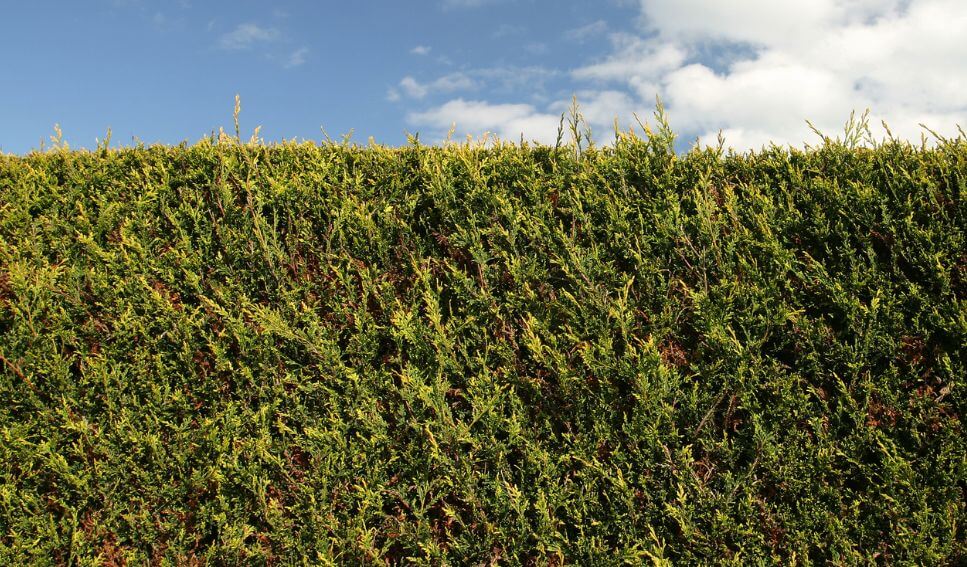
Greetings, my fellow gardening enthusiasts! Today, let’s embark on a journey through the captivating realm of conifer hedges as we unravel the perplexing phenomenon of browning foliage. Imagine the scene: you’ve invested time and care into cultivating your conifer hedge, relishing its vibrant green foliage, only to find it marred by the unwelcome intrusion of brown patches. But fret not, for we’re here to demystify the reasons behind this color transformation and equip you with the knowledge needed to rejuvenate your hedge’s vitality. Grab your gardening gloves, because we’re about to delve into the realm of conifer hedge care like never before!
Table of Contents
Imagine casting your gaze upon the once-lush expanse of your conifer hedge, only to be met with the disheartening sight of browning foliage. The question reverberates: “What could be causing this?” In this all-encompassing gardening guide, we’re diving deep into the world of browning conifer hedges. Together, we’ll uncover the underlying causes of this color shift and provide you with actionable solutions to restore its vibrancy. So, let’s roll up our sleeves and embark on a quest to revive your conifer hedge, shall we?
The Allure of Conifer Hedges: A Prelude
Before we delve into the potential culprits behind the browning of conifer hedges, let’s take a moment to appreciate the unique charm that these hedges bring to our outdoor spaces:
1. Evergreen Elegance: Conifer hedges are nature’s year-round gift, adorning your landscape with their lush greenery that persists even in the chilliest of seasons.
2. Privacy and Aesthetics: These hedges serve as living privacy screens, offering structure and visual appeal to your garden.
Cause #1: The Water Dilemma
The Culprit: Inadequate or excessive watering can lead to the browning of conifer hedges.
The Solution: Establish a consistent watering routine that maintains evenly moist soil without over-saturation.
Detailed Explanation: Picture yourself parched on a scorching day—this is akin to the experience of your conifer hedge when subjected to erratic watering. Inadequate watering can cause the hedge to dry out and turn brown, while excessive watering can lead to root rot and fungal infections. Striking a balance is crucial; water your hedge deeply and thoroughly, allowing moisture to penetrate the soil. Check soil moisture levels regularly—insert your finger into the soil; if it feels slightly damp, you’re on track. Avoid waterlogging the soil, as this suffocates the roots and leads to browning.
Cause #2: The Soil Saga
The Culprit: Poor soil conditions, including compaction and nutrient deficiency, can contribute to browning conifer hedges.
The Solution: Plant your hedge in well-draining soil, and consider fertilization to provide essential nutrients.
Detailed Explanation: Imagine trying to flourish in cramped quarters—it’s uncomfortable and limits your growth. Similarly, conifer hedges struggle in compacted soil lacking proper drainage. Insufficient drainage can suffocate the roots, leading to browning foliage. Moreover, nutrient-deficient soil can result in stunted growth. To tackle this, ensure your hedge is situated in soil with good drainage, and consider adding compost to enhance soil structure. Establishing the right soil environment is paramount for a thriving, vibrant hedge.
Cause #3: The Sunlight Spectrum
The Culprit: Excessive exposure to harsh sunlight or insufficient light can cause browning in conifer hedges.
The Solution: Opt for a planting location with partial sunlight, shielded from intense afternoon sun.
Detailed Explanation: Envision your conifer hedge as a sun-loving companion—it craves sunlight, but excess can be detrimental. Prolonged exposure to intense sunlight can scorch the foliage, causing browning. Conversely, inadequate light in shaded areas can lead to thinning and browning. Strive for equilibrium by selecting a planting spot with partial sunlight. Shield your hedge from the blazing afternoon sun, especially during scorching summer months. This approach preserves the lush green hue while preventing browning.
Cause #4: The Pest Predicament
The Culprit: Pest infestations, such as spider mites or scale insects, can lead to browning in conifer hedges.
The Solution: Conduct regular pest inspections, and proactively manage infestations as needed.
Detailed Explanation: Pests are like unwelcome guests that wreak havoc on your conifer hedge’s well-being. Spider mites, scale insects, and other pests can sap the foliage’s vitality, leading to browning and decline. Stay vigilant by routinely inspecting your hedge for signs of pests—discolored or distorted foliage, webbing, or sticky residue. If pests are detected, take immediate action to combat the infestation. Natural remedies or insecticidal soap can be effective in eradicating these invaders and safeguarding your hedge’s health.
Conclusion: Breathing Life Back Into Your Hedge
Your conifer hedge, a testament to natural beauty, deserves the utmost care and attention. By addressing potential causes of browning and taking proactive measures to rectify the situation, you can rekindle your hedge’s vibrant allure. Remember, consistent watering, proper soil conditions, appropriate sunlight, and vigilant pest management are the cornerstones of a flourishing conifer hedge. With a touch of devotion and effort, you can transform your browning hedge into a verdant masterpiece that enriches your garden’s aesthetic.
Share This Story, Choose Your Platform!




Latest News To Your Inbox
Subscribe to hear about our latest blog posts, competitions and special offers.
