
Rhododendron vs. Azalea: Unraveling the Differences
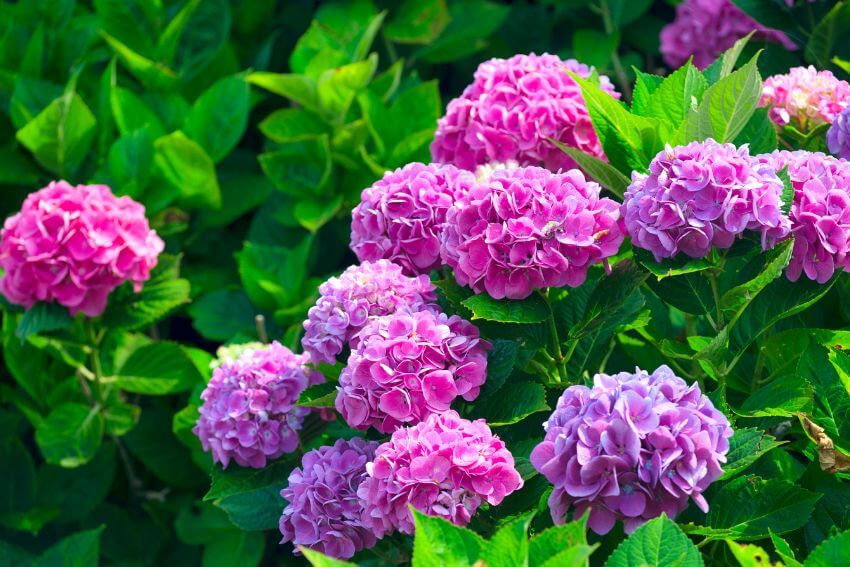
Hello there, fellow gardening enthusiasts! Have you ever found yourself captivated by the stunning blooms of rhododendrons and azaleas but wondered, “What’s the real difference between these two beauties?” Well, you’re not alone! In this comprehensive guide, we’re going to dig deep into the world of rhododendrons and azaleas to uncover their unique characteristics, growing conditions, and more. So, grab your gardening gloves, and let’s embark on this delightful journey of discovery!
Table of Contents
The Allure of Rhododendrons and Azaleas
Before we dive into the differences, let’s take a moment to appreciate why rhododendrons and azaleas have captured the hearts of gardeners worldwide:
- Breathtaking Blooms: Both rhododendrons and azaleas are renowned for their spectacular, show-stopping flowers. From vibrant pinks and purples to delicate whites and soft pastels, these plants paint your garden with a stunning array of colors.
- Versatile Choices: With thousands of varieties available, you can find rhododendrons and azaleas to suit various climates, soil types, and garden designs. Whether you prefer compact shrubs or towering trees, there’s a species for you.
- Seasonal Charm: Rhododendrons and azaleas often bloom in the spring, making them the stars of the early-season garden. Their colorful displays bring much-needed life and vibrancy after a long winter.
Now that we’ve sung their praises let’s unravel the key differences between rhododendrons and azaleas.
Rhododendrons: The Majestic Giants
Rhododendrons belong to the Rhododendron genus and are known for their impressive size and distinctive characteristics.
Key Characteristics:
- Leaves: Rhododendron leaves are typically large, leathery, and evergreen. They’re also typically larger than those of azaleas.
- Blooms: Rhododendron flowers have ten or more stamens, while azalea blooms usually have only five. Rhododendron blossoms can be bell-shaped, funnel-shaped, or tubular.
- Growth Habit: These plants can grow into substantial shrubs or small trees, often reaching heights of 6 to 15 feet or more.
Growing Conditions:
- Hardiness: Rhododendrons are generally hardy in USDA zones 4 to 8, although some species can thrive in even colder climates.
- Sunlight: They prefer filtered or dappled sunlight and protection from harsh afternoon sun.
- Soil: Rhododendrons thrive in acidic, well-draining soil enriched with organic matter.
Azaleas: The Colorful Companions
Azaleas, on the other hand, are part of the Rhododendron genus too but are a distinct subgenus known for their smaller size and unique features.
Key Characteristics:
- Leaves: Azalea leaves are generally smaller and more delicate than rhododendron leaves. They are usually deciduous, but some evergreen varieties exist.
- Blooms: Azalea flowers typically have five stamens and are often trumpet-shaped or tubular. They produce smaller, daintier blossoms than rhododendrons.
- Growth Habit: Azaleas tend to be more compact and bushy, ranging from a few feet tall to around 10 feet.
Growing Conditions:
- Hardiness: Azaleas are adaptable and can thrive in various USDA zones, depending on the species. Some are hardy in zones 4 to 9.
- Sunlight: They appreciate morning sun and filtered afternoon shade. Full sun can scorch their leaves.
- Soil: Azaleas prefer well-draining, acidic soil with good organic content.
Notable Differences Summarized
Let’s put the differences between rhododendrons and azaleas into a handy table for quick reference:
| Characteristic | Rhododendrons | Azaleas |
|---|---|---|
| Leaf Size | Large, leathery, evergreen (mostly) | Smaller, delicate, often deciduous |
| Flower Stamens | 10 or more | Usually 5 |
| Flower Shape | Bell-shaped, funnel-shaped, tubular | Trumpet-shaped, tubular |
| Growth Habit | Larger, can become trees | Compact, bushy, smaller |
| Hardiness Zones | Generally 4 to 8 | Variable, some hardy to zone 4 |
| Sunlight Preferences | Filtered or dappled sunlight | Morning sun, filtered afternoon |
| Soil Preference | Acidic, well-draining | Acidic, well-draining |
Choosing the Right One for Your Garden
Now that you know the differences, how do you decide which one is right for your garden? Consider the following:
- Space: If you have limited space, azaleas’ compact size might be a better fit. Rhododendrons need more room to reach their full potential.
- Climate: Check the hardiness zone of the varieties you’re interested in to ensure they’ll thrive in your region.
- Bloom Size: If you prefer larger, showy blooms, rhododendrons might be your choice. Azaleas offer a more delicate, dainty display.
- Foliage: Think about the leaf size and whether you prefer evergreen or deciduous plants.
In Conclusion
Both rhododendrons and azaleas bring unique charm and beauty to your garden. Now that you’re armed with knowledge about their differences, you can make an informed choice to enhance your outdoor space. Whether you go for the majestic giants of the rhododendron world or the colorful companions of the azalea family, your garden is sure to be a dazzling sight!
So, my gardening buddies, embrace the diversity of these fantastic plants, and let your garden flourish with the vibrant hues of rhododendrons and azaleas!
Share This Story, Choose Your Platform!



Latest News To Your Inbox
Subscribe to hear about our latest blog posts, competitions and special offers.
