
5 Reasons Why There Are No Worms In Your Garden

Hey there, fellow garden enthusiasts! Have you ever eagerly plunged your hands into the earth, hoping to uncover a bustling community of earthworms, only to be met with a disappointing absence of these wiggly soil-dwellers? It’s like hosting a party and having no guests show up – a real garden letdown! But fear not, my gardening comrades, because today we’re taking a deep dive into the fascinating world of earthworms, and we’re here to unravel the mysteries behind their mysterious vanishing act from your garden. Get ready for an excavation adventure that’s about to dig up some serious dirt – or lack thereof! So grab your trowels and join me as we unearth the truth about why those earthworms might be playing hide-and-seek in your garden beds!
Table of Contents
Imagine this: you’re out in your garden, ready to plant new seeds or tend to your flourishing plants, and you reach down to scoop up a handful of soil – expecting to find a wriggling surprise – only to be met with silence. If you’ve been wondering why the earthworms have seemingly gone AWOL from your garden, you’re not alone. Today, we’re going on a gardening detective mission to uncover the underground reasons behind the absence of these humble soil-dwellers. So put on your gardening hats and let’s embark on a journey to crack the case of the missing earthworms! 🌱
The Wonders of Earthworms
Before we start digging into the mystery of their disappearance, let’s take a moment to marvel at the vital role that earthworms play in our gardens.
Soil Engineers: Earthworms are like nature’s engineers. They tirelessly tunnel through the soil, aerating it and enhancing its structure. As they digest organic matter, they create nutrient-rich casts that enrich the soil.
Reason #1: Soil Disturbance
Just as we humans prefer stable environments, earthworms also have their habitat preferences. Constant soil disruption can send them packing.
The Scenario: Excessive tilling, digging, or frequent soil disturbance disrupts the earthworms’ homes and can drive them away.
The Solution: Embrace no-till or minimal-till gardening practices. These methods maintain the integrity of the soil structure and create a welcoming environment for earthworms.
Reason #2: Chemical Usage
While chemicals might effectively keep unwanted pests at bay, they can inadvertently have a negative impact on earthworm populations.
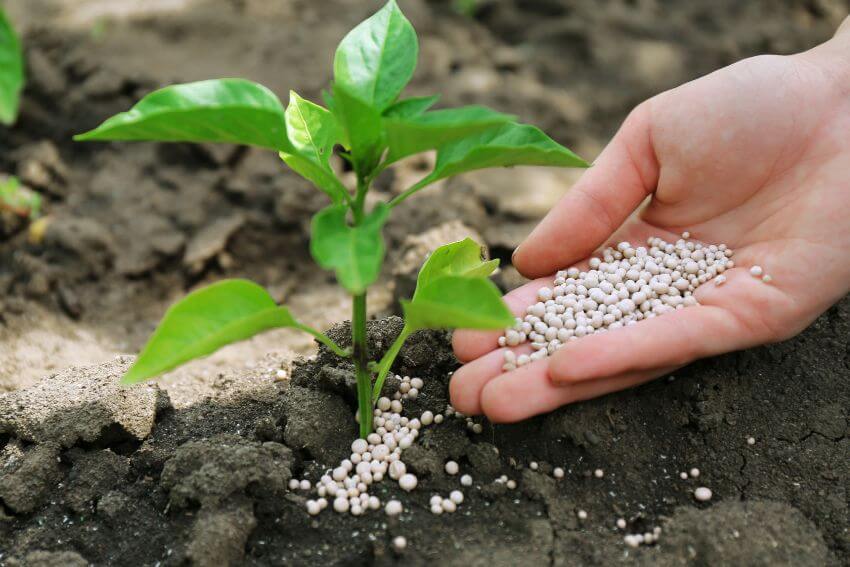
The Scenario: Pesticides, herbicides, and synthetic fertilizers can contaminate the soil, affecting earthworms directly or indirectly through their impact on the worms’ food sources.
The Solution: Opt for organic and natural gardening solutions. Consider using companion planting, biological controls, and other eco-friendly practices that preserve the balance of your garden ecosystem.
Reason #3: Compacted Soil
Just as we wouldn’t enjoy living in a cramped space, earthworms too appreciate airy and loose soil conditions.
The Scenario: Compacted soil lacks the necessary air pockets that earthworms need for movement and respiration, making it an unfavorable habitat for them.
The Solution: Prioritize soil aeration. Regularly loosen the soil using methods such as adding compost, using raised beds, and avoiding unnecessary soil compaction.
Reason #4: Lack of Organic Matter
Earthworms are voracious consumers of organic matter, and if your garden isn’t offering a buffet of decomposing goodies, they might not be enticed to stick around.
The Scenario: A shortage of decaying plant material means earthworms won’t have enough food to sustain their populations.
The Solution: Boost your garden’s organic matter content. Introduce compost, mulch, and other decomposing materials to create a feast for the earthworms and enrich your soil.
Reason #5: Unsuitable pH Levels
Just as we thrive best within a certain pH range, earthworms also have preferences when it comes to the acidity or alkalinity of the soil.
The Scenario: Soil with extremely acidic or alkaline pH levels can make it inhospitable for earthworms.
The Solution: Test your soil’s pH and adjust it if necessary. Incorporate lime to raise pH or elemental sulfur to lower it, ensuring a pH range that’s conducive to earthworm activity.
Inviting Earthworms Back
Now that we’ve unveiled the reasons behind the absence of earthworms, let’s discuss how to roll out the green carpet and entice these unsung heroes of the soil back into your garden.
Reduce Soil Disturbance: Adopt no-till or reduced-till practices to create a stable and inviting habitat for earthworms.
Prioritize Organic: Opt for natural and organic gardening approaches that preserve the well-being of earthworms and the broader ecosystem.
Enhance Soil Structure: Implement soil aeration techniques to prevent soil compaction and promote the formation of an earthworm-friendly habitat.
Boost Organic Matter: Infuse your garden with a wealth of organic matter through composting, mulching, and letting plant residues decompose naturally.
Optimize pH Balance: Regularly test your soil’s pH levels and make necessary adjustments to maintain a pH range that suits earthworm activity.
Conclusion
As we wrap up our journey into the world of earthworms and their enigmatic disappearances, remember that these silent heroes are key players in the health of our gardens. By addressing factors such as soil disturbance, chemical usage, compacted soil, organic matter content, and pH levels, you’re not only creating an environment that’s welcoming to earthworms but also promoting the overall vitality of your garden ecosystem. So, dear gardening companions, let’s continue to celebrate these unseen champions beneath the surface and work towards gardens that thrive both above and below ground.
Share This Story, Choose Your Platform!



Latest News To Your Inbox
Subscribe to hear about our latest blog posts, competitions and special offers.
