
How to Supercharge Your Vegetable Garden: Tips to Speed Up Veg Growth

Hello, fellow gardening enthusiasts! If you’re anything like me, you’re always eager to enjoy the fruits (and vegetables) of your labor as soon as possible. Nothing beats the satisfaction of plucking a ripe tomato or crisp lettuce leaf straight from your garden. In this extensive guide, I’ll take you on a deep dive into the world of accelerating vegetable growth. Whether you’re a seasoned gardener or just starting out, these comprehensive tips will help you get your veggies growing at warp speed. So, grab your gardening gear, and let’s make your vegetable garden a powerhouse of rapid growth!
Table of Contents
The Need for Speed in the Vegetable Garden
Why do we want to speed up vegetable growth, you ask? Well, there are plenty of good reasons:
- Enjoy Freshness Sooner: Homegrown vegetables are at their peak in flavor and nutrition when freshly harvested. Speeding up growth means you get to savor that freshness sooner.
- Extend the Harvest: An early start to the growing season can mean a longer period of bountiful harvest, providing you with a continuous supply of delicious produce.
- Overcoming Short Growing Seasons: In regions with short growing seasons or unpredictable weather, every extra day of growth counts.
- Immediate Gratification: Let’s face it, we gardeners are often a bit impatient. The quicker we see results, the happier we are!
Now, let’s roll up our sleeves and get those veggies growing at full throttle.
Step 1: Choose Fast-Growing Varieties
The first step in speeding up veg growth starts with your selection of vegetable varieties:
- Fast-Growing Options: Opt for vegetables that are known for their rapid growth. Examples include radishes, arugula, lettuce, and certain varieties of beans.
- Early Maturing Varieties: Look for vegetable varieties specifically labeled as “early maturing” or “early harvest.” These are bred for quicker production.
Step 2: Optimal Soil Preparation
Healthy soil is the foundation for speedy growth. Here’s what you can do:
- Soil Testing: Begin with a soil test to determine nutrient levels and pH. Adjust the soil as needed based on the results.
- Amend the Soil: Incorporate well-rotted compost or organic matter into your soil to improve its structure, fertility, and moisture-retaining capacity.
- Proper Drainage: Ensure good drainage to prevent waterlogged roots, which can slow down growth.
Step 3: Provide Ideal Growing Conditions
Creating the right environment for your vegetables is essential:
- Sunlight: Ensure your garden receives the recommended amount of sunlight for the specific vegetables you’re growing. Most veggies thrive in full sun.
- Watering: Consistent and adequate watering is key. Use a soaker hose or drip irrigation system to maintain soil moisture without overwatering.
- Mulch: Apply organic mulch like straw or wood chips around your plants to retain moisture, regulate soil temperature, and reduce weed competition.
Step 4: Boost Nutrient Availability
Nutrients are like rocket fuel for your veggies. Here’s how to make them readily available:
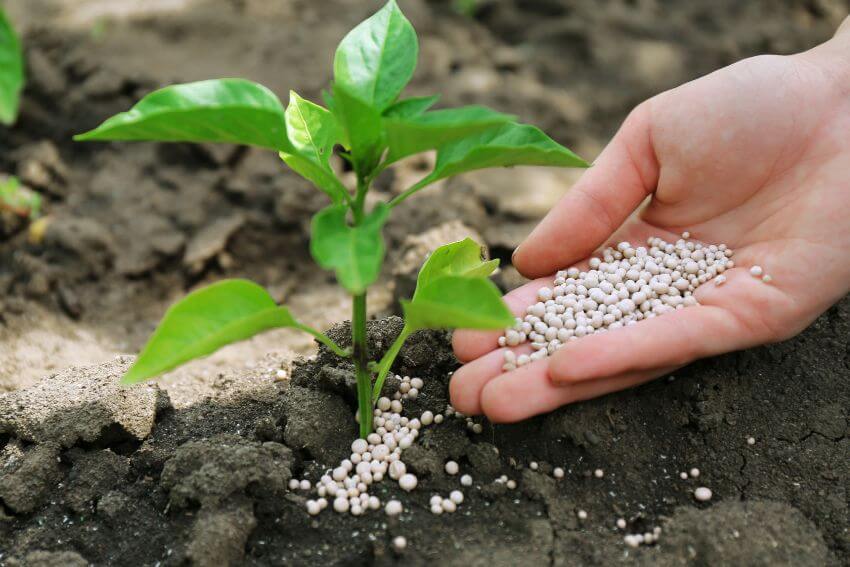
- Balanced Fertilization: Use a balanced, water-soluble fertilizer that matches your vegetables’ nutrient needs. Follow recommended application rates based on the type of vegetables you’re growing.
- Foliar Feeding: For a quick nutrient boost, consider foliar feeding. Spray a diluted liquid fertilizer directly onto the leaves, allowing plants to absorb nutrients faster.
- Compost Tea: Compost tea is an excellent way to provide a nutrient-rich liquid feed. It’s like giving your veggies a vitamin-packed smoothie.
Step 5: Proper Spacing and Pruning
Giving your vegetables room to breathe can accelerate growth:
- Plant Spacing: Follow the recommended spacing guidelines on seed packets or plant tags to prevent overcrowding. Proper spacing ensures each plant gets enough light, air, and nutrients.
- Thinning: If you’ve planted too closely, don’t hesitate to thin out seedlings to the correct spacing. This promotes healthier growth by reducing competition for resources.
- Pruning: For some vegetables, like tomatoes, pruning can redirect energy into fruit production rather than excess foliage growth. Remove suckers and non-productive branches.
Step 6: Pest and Disease Management
Healthy plants grow faster, so keep pests and diseases at bay:
- Regular Inspection: Check your plants frequently for signs of pests or diseases. Early detection and action can prevent issues from slowing growth.
- Natural Remedies: Use natural pest control methods like neem oil, diatomaceous earth, or companion planting to deter pests without harmful chemicals.
- Good Hygiene: Maintain garden cleanliness by removing debris and fallen leaves that can harbor pests and diseases.
Step 7: Protection and Microclimate Creation
Give your veggies a helping hand when it comes to weather:
- Season Extenders: Use season extenders like row covers, cloches, or cold frames to protect plants from late spring frosts or early fall chills.
- Microclimates: Create microclimates by placing reflective surfaces or heat-absorbing materials (like black plastic) around your plants to maximize warmth and extend the growing season.
Step 8: Regular Harvesting
Don’t forget to reap the rewards of your labor promptly:
- Regular Harvest: Harvest vegetables as soon as they reach maturity. Leaving them on the plant too long can slow further growth and affect flavor and quality.
- Continuous Harvest: Some vegetables, like zucchini and beans, benefit from continuous harvesting. It encourages the plant to produce more.
Step 9: Keep Learning and Experimenting
Gardening is a constant learning experience:
- Experiment: Try different techniques, varieties, and methods each year to see what works best in your garden.
- Keep Records: Maintain a gardening journal to record what you’ve tried and the results. This helps you fine-tune your approach over time and build a personalized strategy for rapid veg growth.
Conclusion
By following these tips and tricks, you’ll be well on your way to supercharging your vegetable garden and achieving faster growth. Whether you’re a seasoned gardener or just getting started, a little extra effort and know-how can make a big difference in the speed and bounty of your harvest.
Now, go out there and watch your veggies grow at warp speed!
Share This Story, Choose Your Platform!


Latest News To Your Inbox
Subscribe to hear about our latest blog posts, competitions and special offers.
